יום רביעי, י״ב תשרי תשפ״זWednesday, September 23, 2026



Follow Us


Mitzmann divides the book into twelve chapters corresponding to the Hebrew months of the year, skillfully weaving together how the spiritual lessons contained within the Jewish holidays helped her radically alter and reestablish her relationship with Hashem and reclaim her mental health.
He has insightful comments, very much worth reading, about each of these places from the points of view of a loyal American, frum Jew, and expert on governmental finance.

The overall approach was very relatable and lucid, and also very exciting: seven barren women, seven approaches to unlocking and unblocking prayer.
He devotes sustained attention to Rav Kook’s understanding of halacha, especially the claim that the commandments are not uniformly beneficial for every individual and that excessive absorption in halachic detail can diminish spiritual stature.
By Ben Rothke
While the shofar is one of the most familiar sounds in Jewish life, it is perhaps one of the least understood.
When we learn about the mysteries of the world, we see how little we know, and this humbles us and opens our minds to the truth about ourselves and the place we inhabit. There is a Creator of unimaginable wisdom and power.
One of the great strengths of this series is that it succeeds with very different audiences.

The result is not simply more commentary, but a panoramic view of how Jews have studied and understood the Torah across the generations.

By Ben Rothke
Amital taught his students that true strength lies not in unyielding rigidity but in the courage to adapt while remaining deeply anchored in one’s essence.

Showing that reading is a challenge and doesn’t just happen automatically is something that young children will recognize and identify with.

By Ben Rothke
He writes that smoking is a significant risk factor for vision loss in most retinal diseases, particularly in diabetes and macular degeneration.

This great work was compiled by leading Torah scholars who remain true to the original text while also recognizing the modern reader’s expectations.
We know the Rebbe in a personal register, too. A grandparent who kept a letter of blessing in a drawer. A dollar received in a Sunday line to pass on to tzedakah. That closeness was real, and for most of us it was as far as the relationship ever went.

Unlike other works that address areas of life we interact with daily, the study of malachim introduces us to a concealed realm. Yet this hidden world can strengthen our emunah.

The book explains that when a boy becomes bar mitzvah, profound spiritual effects are set into motion.
By Raffi Crouse
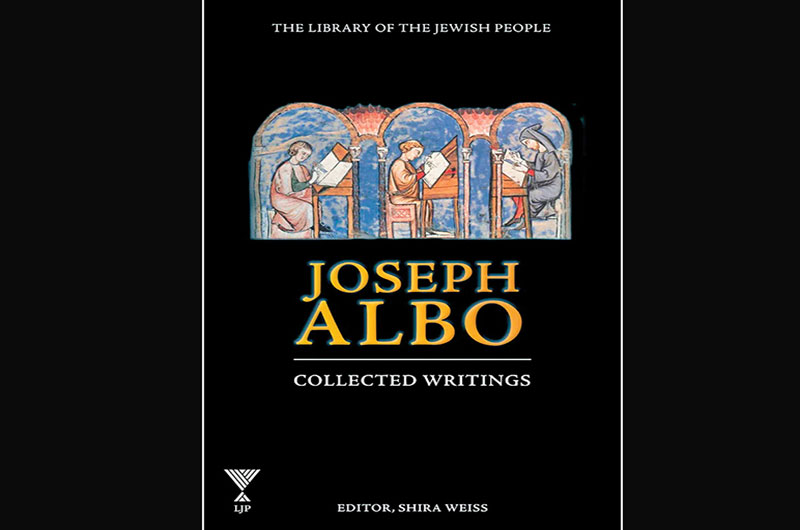
Albo insists that the highest form of divine service is performed from love rather than fear, and that even the commandments the mind resists should be done with joy, the way a person digs gladly through hard ground for a buried treasure.
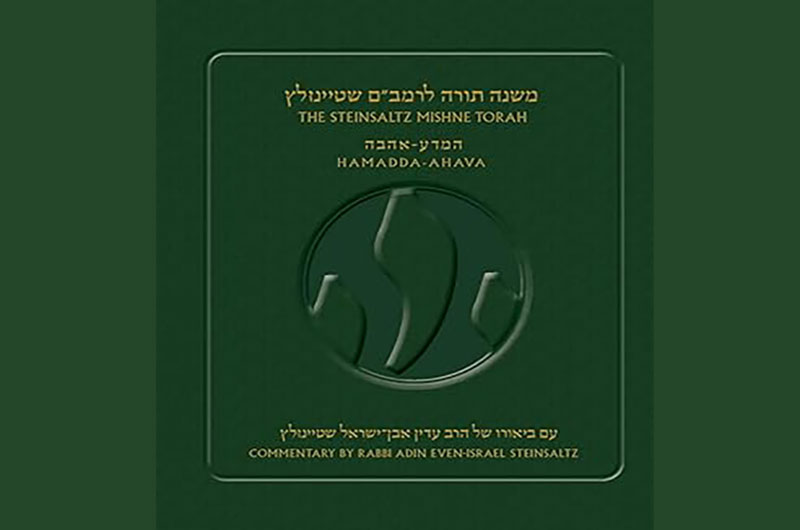
One of the strengths of this edition is the care invested in the actual text itself. Many students of the Rambam do not realize that over the centuries, often due to unintended copyist and printing errors, mistakes crept into some editions of the Mishneh Torah.
Under no circumstances does Golding recommend glossing over the horrors.
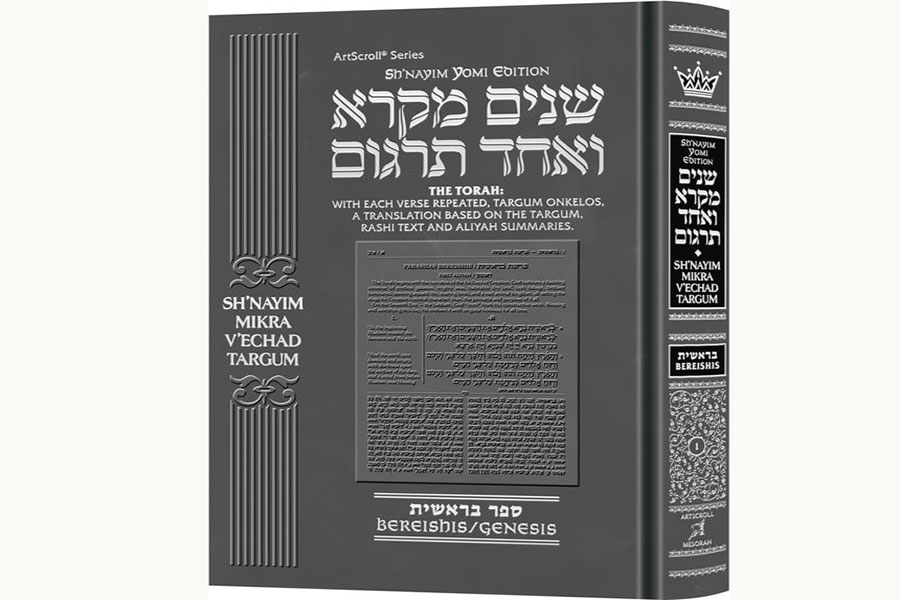
There are even bracketed additions embedded within the English translation, so as to clarify the meaning and also allow the language to flow more naturally.
By Ben Rothke
The topics are all real, important, and relevant in this significant work.

Throughout the narrative, Horowitz points out examples such as this, where things in her life could have been so much worse, and woven throughout the entire sefer is evidence of the incredible gratitude she has to Hashem for the many gifts she has received that help her navigate through a world without sound.

As the subject of immigration is all over the news lately, this book is a clarion call for the acceptance of immigrants, couched in an accessible and relatable biography of Emma Lazarus.
By Baruch Landa
The poem praises the woman's physical features, and Rashi reads each one as a part of the nation.
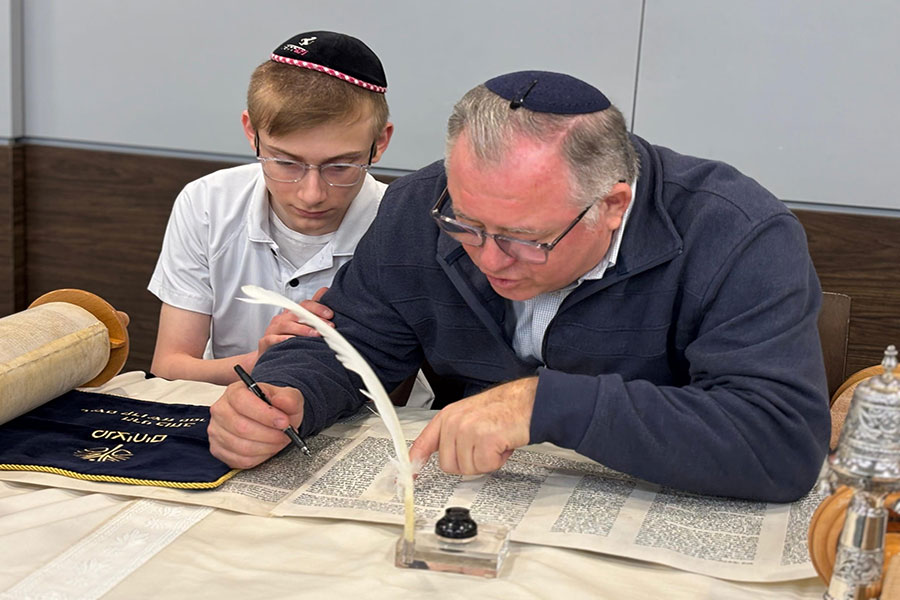
Whether one is a beginner or an experienced student, there is much to gain from its pages. Even seasoned students of Chumash will encounter new ideas, new sources, and perhaps even entirely new works and meforshim highlighted within its pages.
Naomi, characteristically, is more complicated. The midrashim are divided on whether she bears moral responsibility for her family's flight from Bethlehem during the famine, and Ziegler holds that tension without resolving it.

Pachter intertwines common wisdom, psychological perspectives, spiritual tenets and inspiring vignettes, anyone can relate to, to create a strategic game plan for success in its deepest, and most meaningful sense.
By Ben Rothke
Despite having died nearly a century ago and with many of his writings over 150 years old, Rav Kook's exceptionalism lies in the fact that his ideas remain relevant even in 2026...
By Baruch Landa
What separates the soul from G-d isn't distance but difference in form.
They are not engaged in the political argument of disproving the Palestinian narrative that falsely claims that there is no ancient connection between the Jewish people and the land of Israel. Only fools and Jew-haters believe that deliberately dishonest claim.
The editors made one decision and held it absolutely: not a single word was changed, misspellings included, half-finished sentences included.
Those seeking to study the Shemoneh Esrei in advance will find its structured explanations especially helpful, while those using it during davening can benefit from the clarity and accessibility of its layout.

Gavriel Tirosh appears for less than a year in the lives of five Jerusalem high school students in the late 1930s. He teaches them history. He trains them for combat. He vanishes. Decades later, they are still trying to make sense of what he meant and what he cost them.

It was at that Chabad in North Brooklyn, on Bedford Avenue, where I experienced the kindness of the Jewish community and, during dinner, felt a warmth in my chest that I immediately knew was G-d.
The chronicle that follows is methodical where Yizker is lyrical, but it is written by someone who cannot quite believe what she is documenting.

By Alan Zeitlin
The hypocrisy revealed in that testimony was blatant. The usual rules that apply to everyone else don’t apply to Jews and Israel.

What sets this book apart is its attention to what mourners actually feel. The authors describe the guilt that surfaces unexpectedly, the exhaustion of telling the same story to every visitor, the moment months later when a smell or a song brings grief rushing back.
By Ben Rothke
When one learns Mishnah, it is assumed that the reader already understands the essential background.
Most people think astrology is just about zodiac signs. ‘I’m a Gemini,’ ‘I’m a Leo.’ But there is so much more information in a birth chart. It reveals a person’s struggles, gifts, and even their spiritual strengths.
Jewish intellectuals are once more being pressed to declare themselves about Israel and the diaspora, about whether integration is security or slow disappearance. Singer watched such a project unfold in real time and refused to supply an answer.

By Eli Lebowicz
Bodek’s talent for parodying music really shines in being able to channel his inner Weird Al Yankovic by making all 50+ songs relevantly connect to an appropriate theme for the Seder.
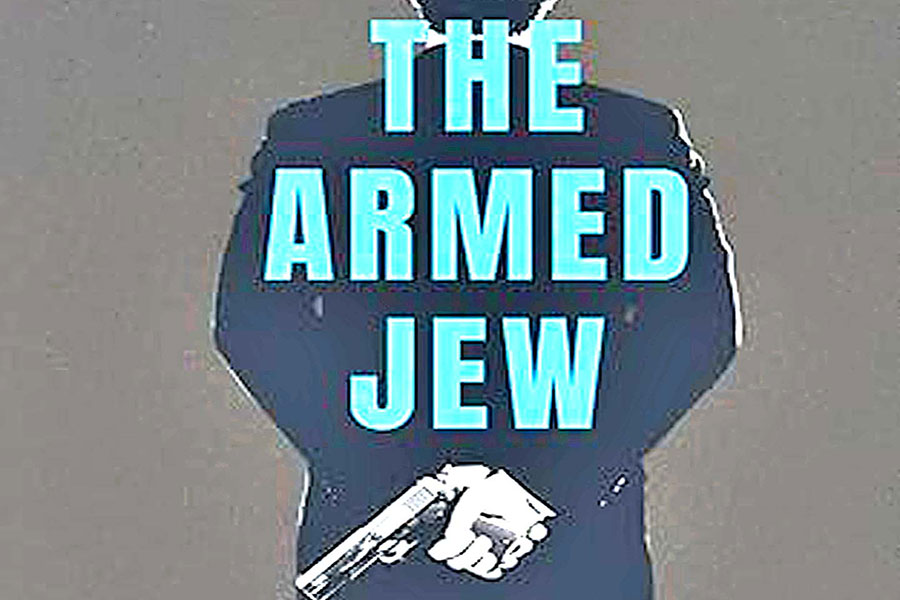
It is not just that those outside the Jewish community see American Jews as weaklings who cannot defend themselves; it is that too often we see ourselves this way.
By Alan Zeitlin
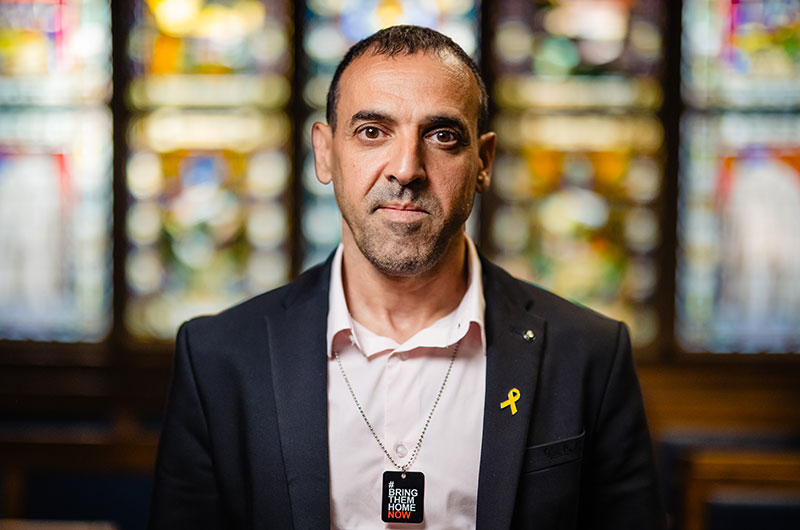
I thank G-d nobody told me in the 491 days about my wife and daughters, Sharabi said. I think it would have hurt my chance to survive.
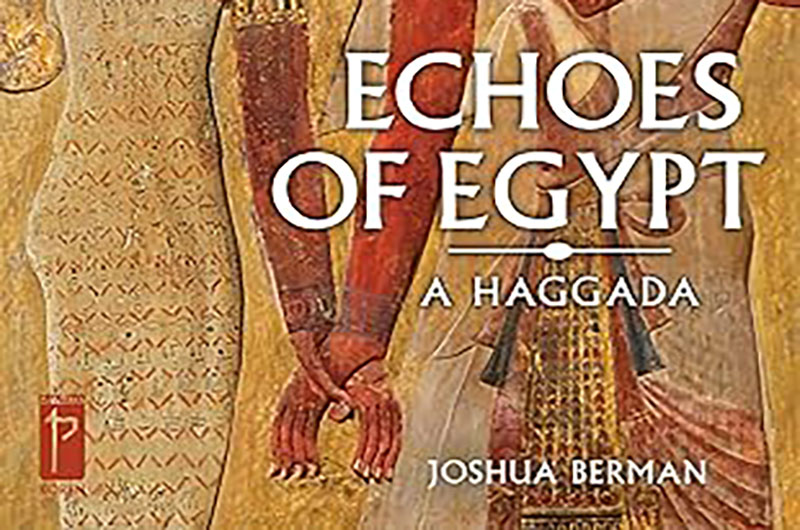
Back in 1960 bibliography, Yaakov Ya’ari made the first attempt to actually count how many times Jews have published versions of the Passover Haggada, and he came up with an incredible 2,717 different editions.
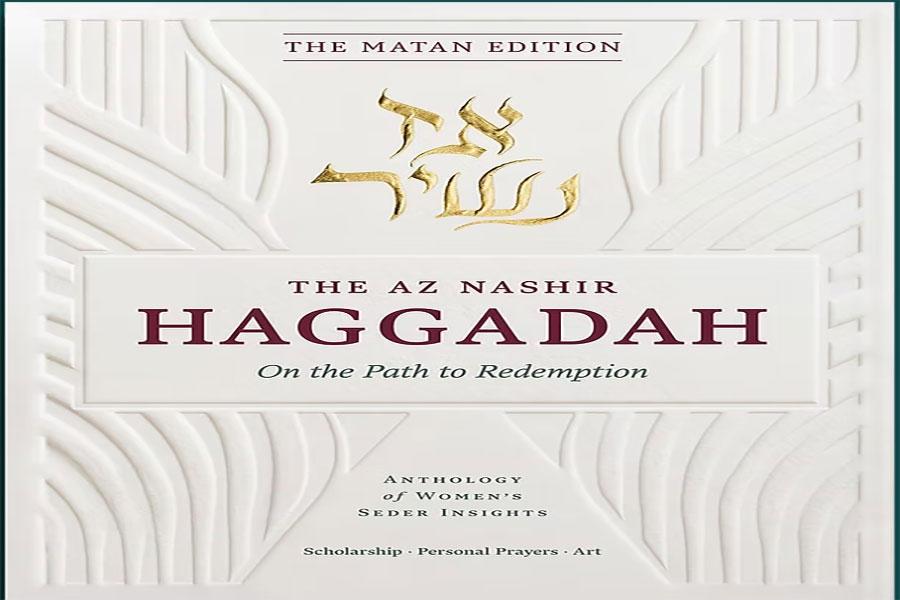
Sheps comments at the beginning of the Haggadah that we are all teachers on Seder night and we are all students.
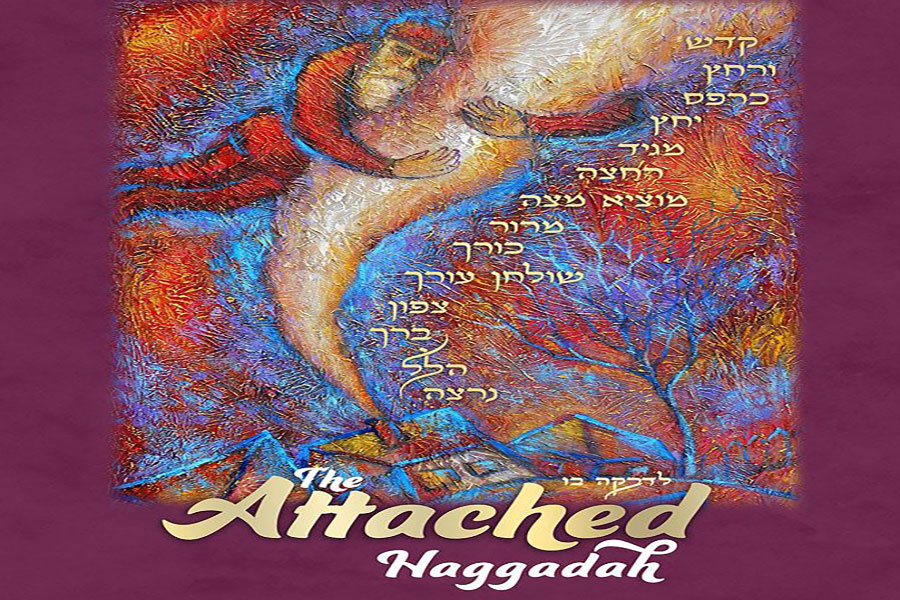
The text is comfortable speaking to the parts of us that are ashamed, tired, guarded, or dry, and it refuses to treat those parts as distractions from avodas Hashem.

By Asher Klass
Renewal is recognized as the leading organization for all altruistic kidney donations in the United States, surpassing all other kidney organizations and all non-Jewish communities in this endeavor.
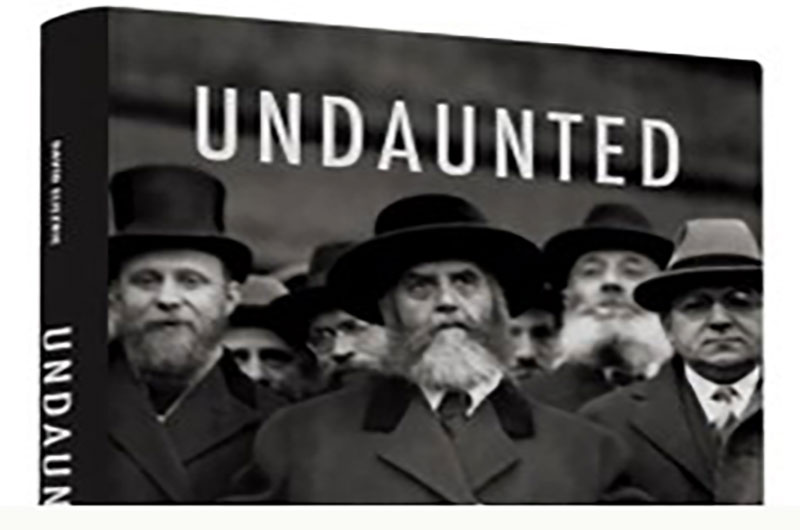
The book does not attempt to cover every aspect of the Rebbe's life... What it does is place the Rebbe in historical context, showing how he navigated the upheavals of the twentieth century while remaining rooted in the spiritual traditions he inherited.
Mitzvos form the basis of our relationship with Hashem; they are our bread and butter. Rabbi Weber’s sefer is intended to help us strengthen our relationship with Hashem by explaining each mitzvah based on the Chumash.

By Judy Waldman
Mr. Golubcow’s writing is not only captivating, but displays a talent for description, whether of personalities or inanimate objects, that draws the reader in to feel like a first-hand witness to the actions and circumstances.
Originally written in Arabic so as to reach the masses at that time, Chovos Halevavos in its Hebrew translation mirrors this erudite style, making it difficult to understand Rabbeinu Bachya’s main points
R. Betzalel Naor takes us on a journey through a dizzying kaleidoscope of sources to understand the nature of chassidus. What is the goal of chassidus? What are its methodologies? What is its allure in the modern era?
Sharabi watched the people around him carefully. He tried to engage them, not by way of sympathizing with them but to make the best of the awful situation.

By Dena Meyer
Rebbetzin Neustadt describes a Jewish woman as having the roots of the family tree. A tree’s roots are hidden deep into the ground tapping into an unlimited source of water for nourishment.
Indeed, the October 7 massacre was no more and no less than a blip on the radar screen for Hamas, which has been waging war against Israel since its creation in 1987 – in Israel proper and against the Jews the world over, and against the Western nations as well.
The subtitle Forty Heroes is not entirely accurate – there are 41 stories in the Hebrew and 43 in the English version, beautifully translated by Sara Daniel – but the word heroes is incredibly apt.
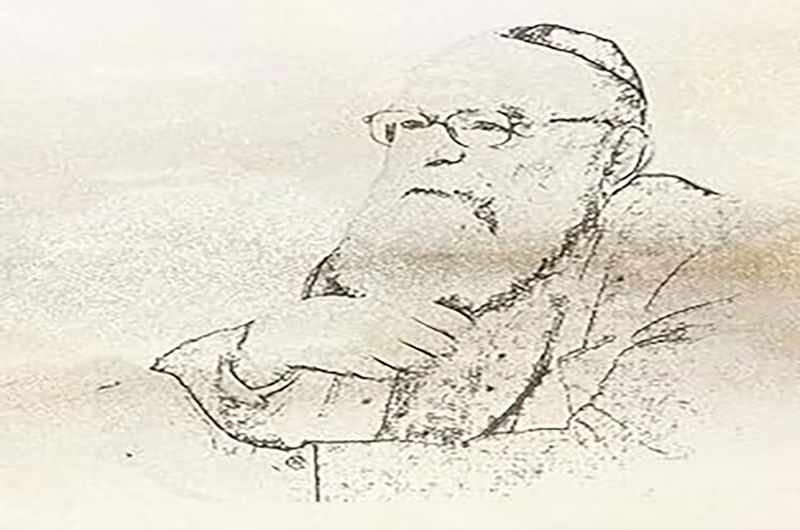
As we find ourselves between Rosh Hashanah and Yom Kippur, Rav Amital is the perfect figure to reflect upon.
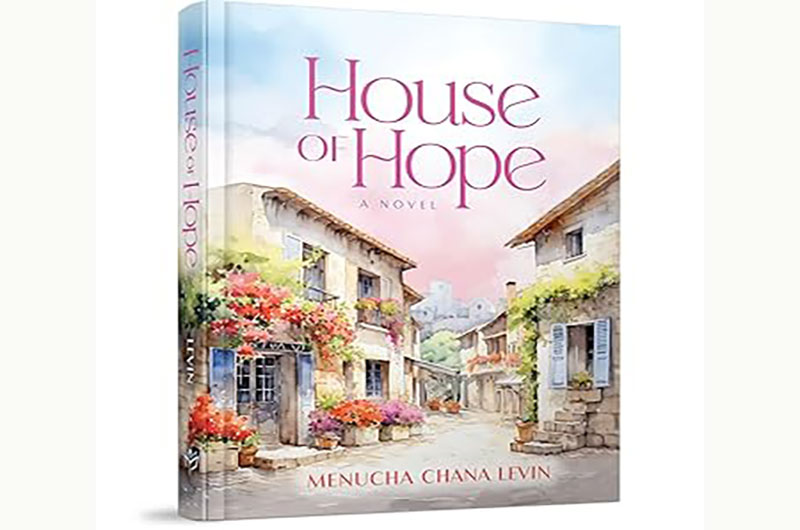
What begins as a disheartening struggle through fertility treatments gradually evolves into something far more transformative.
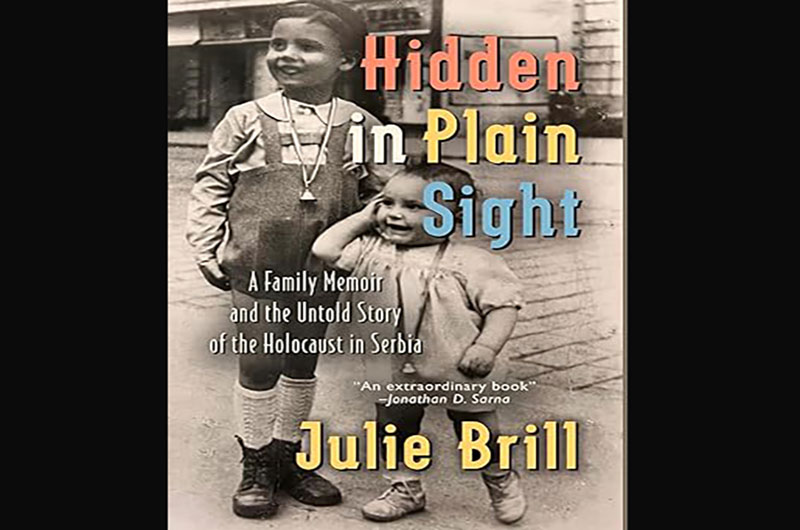
By Zev Newman
What makes the book resonate is its sharp balance of the personal and historical.

The thematic motif of the book is the life lesson that Tamir wishes to impart: Just like in sports, often we will miss our goal. There is no need to dwell on it; instead, rebound and pivot in order to continue scoring in life.

By Alan Zeitlin
A prevailing theme of the book is having emunah despite not having one’s desires met.
By Ben Rothke
Another core trait of his was his ability to change his opinion, which was grounded in his inner strength and confidence.
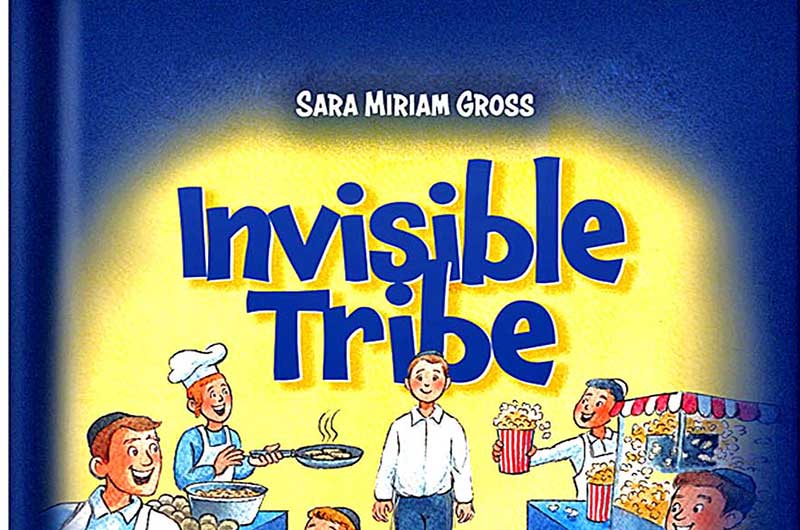
By Fayge Young
The stories are compact, yet feature writing that is solid, lively, and packed with emotional depth.
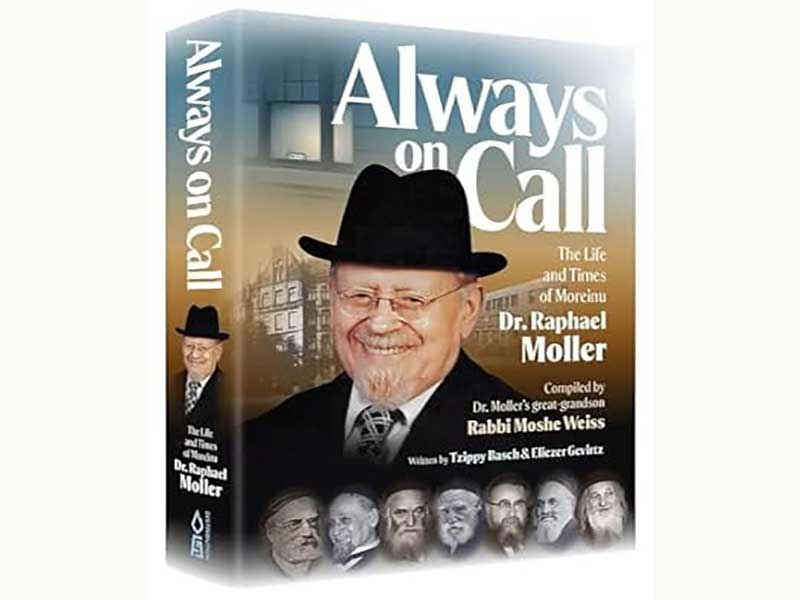
Despite his myriad accomplishments in life, he always questioned whether he was serving G-d to the best of his ability.
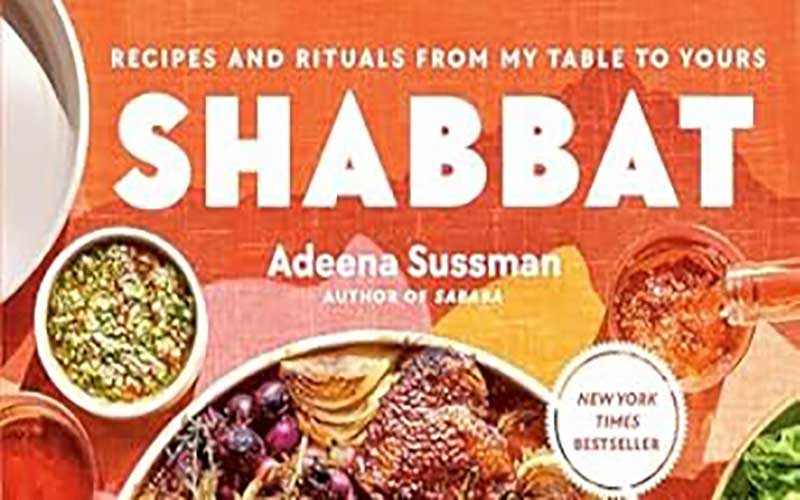
The photos are perfect, varied and colorful; the writing tells many unique, personal, and interesting stories which shed light on different segments of Israeli culture and society (not all of it religious), and many, though not all, of the recipes are relevant to us Orthodox Jewish ladies.
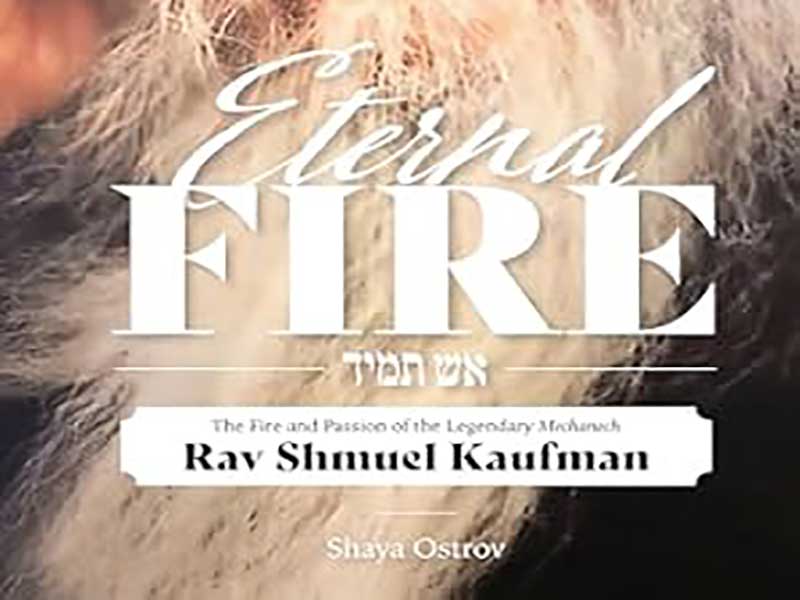
Ostrov writes that Rabbi Kaufman had a limp in his walk and a fire in his heart. He did, indeed.

This ideology accuses countries like the United States, Canada, Australia, and Israel of an ongoing genocide. The adherents had to perform some intellectual contortions and prevarications to make that accusation.

Sometimes I felt like I wanted to just know the halacha. But this is a book about emerging technologies, and what it offers are points to consider.

Through its engaging conversational style, this book offers readers profound insights and practical steps to live a joyous Torah life, even amidst life's inevitable challenges.

One of the most fascinating chapters of Simkovich’s book is an exploration of the origins of word diaspora itself.
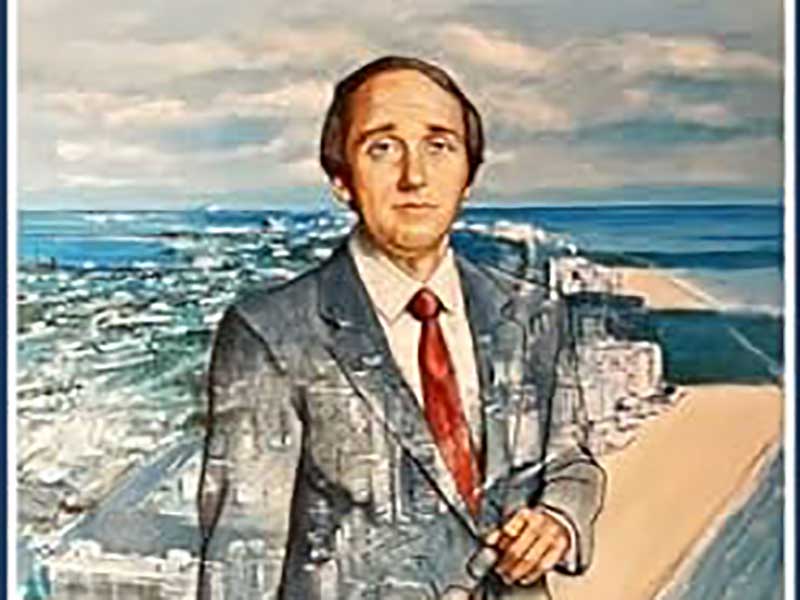
Norman seems to enjoy sharing the difficult moments in his life which often became the clearest examples of Hashem’s guidance.

One way to empower your child to succeed is to work with their teacher for the child’s benefit. Communication between the parents and teacher is key.
By Ben Rothke
With each passing year, more and more Haggadahs are being printed – and that trend continues in 2025. Here are a few that can enhance your Seder.
The title is apt. Again and again, Rabbi Steinmetz reminds his readers that life continues to go on, and, though changed forever, will eventually find a new equilibrium.
One of the beauties of this book is its superb organization. Topics are split up into logical sections with clear titles and footnotes, allowing the reader to quickly locate the answers to everyday questions.

By Eve Glover
Purim is a hopeful and mysterious time of victory over our enemies, and there is something triumphant about how Abeles captures the people in her photographs, like a young girl in a lavender dress who became Queen Esther, holding a scepter up in the sunlight.

Dr. Fiamma Nirenstein reveals how the Oslo Accords and the Two State Solution are part of the attempt to undermine Israel.

The author, with some reluctance, calls out three groups of individuals who – in his opinion – respond to tragedies in a manner that is inconsistent with Torah and Jewish philosophy.

By Alan Zeitlin
In 1995, it was uncommon for Orthodox Jews to desire to donate organs. I think the decision to donate organs made a tremendous impact on the Jewish community to consider donating in the future, Wolf said.

A hallmark of Rabbi Lamm’s scholarship was his synthesis of halacha and aggadah. For Rabbi Lamm, these were not separate spheres but complementary dimensions of a unified Torah.
By Ben Rothke
The book opens with Rav Shlomo Yosef Zevin's observation of the Rogatchover. He writes that the Rogatchover was made of a completely different mold and material, and notes that no one was like him in his generation or in many generations before or after him.

By Moshe Hill
What makes this book truly remarkable is its brazenness. Rabbi Shore does not shy away from controversial topics, diving headfirst into the uncomfortable task of analyzing the mindset and internal logic of Adolf Hitler.

By Rabbi Dr. Leonard A. Matanky
While Rabbi Student does create space for opposing voices, he ensures that the positions explored are all in the spirit of the beit midrash – striving to uncover the deeper meaning of core beliefs.
Instead of only looking at “us” as good and “them” as bad, we need to examine our own choices. What’s inside our hearts and minds? Are we living well? Are we eating well? Are we distracted?
The book is recommended to anyone fascinated by the ironies and serendipities that make up early Jewish-American history.

Onkelos was always heroic in my mind. Before sitting down to write about the book, I couldn’t resist this opportunity to check how accurately I remembered the stories of my youth.
Schwartz also skillfully shows the vicious similarities between the Arab massacres of Jews in Mandate Palestine in the 1920s and the Arab massacre of Jews in southern Israel on October 7, 2023.
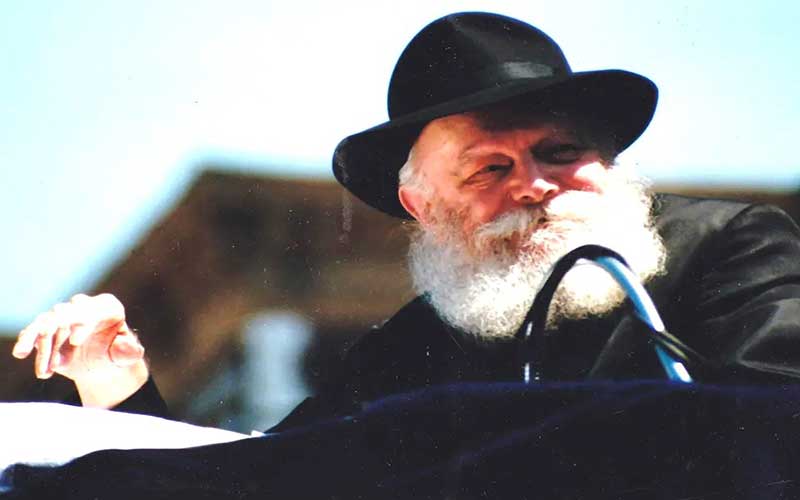
For those ignorant or confused with the Lubavitcher movement’s beginnings and dynasty, Rebbe weaves its history into a beautiful and comprehensive tapestry.
Reading this book has helped direct my attention to seek out Hashem’s wisdom in the mundane.
We feel insincere and shallow during the Days of Repentance, and therein lies the problem. Do we really believe we can change? Do we even know what we are looking for?
The book is essentially a survey of the work of the entire Izhbitz library, of both the direct descendants and students.
Rabbi Juskowitz shares many insightful Torah ideas throughout the book, but the idea I most connect with is his discussion about the dichotomy of Jewish practice and faith, and how it relates to Jewish meditation.

The failed experiment of Gaza, which could have been a prosperous little Palestinian state, but was instead made an armed camp for attacks on Israel proves the point.
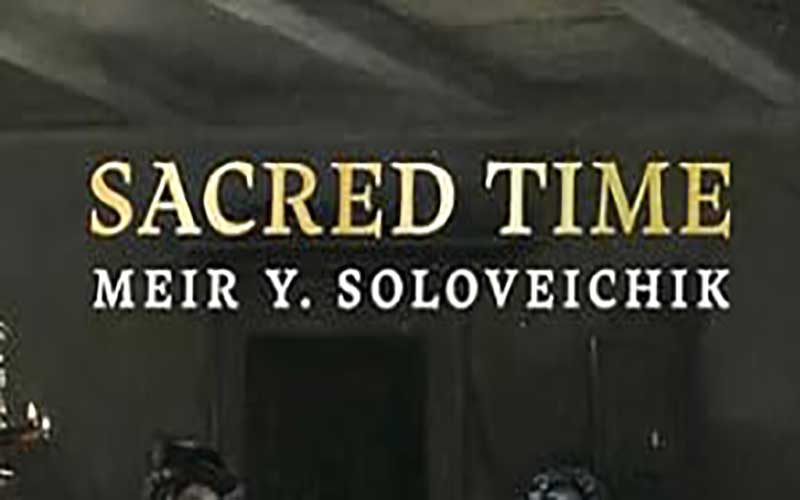
The first unique aspect of Sacred Time is its cover image. While the popular adage tells us not to judge a book by it cover, thought certainly goes into what will grace a book’s cover. After all, this is the first thing a potential reader will see.
By Ben Rothke
Cursory glances at Talmudic texts are prone to misunderstanding and misreading, which is why many view the Talmudic rabbis as misogynists. Fine is a close and astute reader of these Talmudic texts and shows how many initial Aggadic impressions of these women can often be misread.

Toras Imecha makes a wonderful coffee table book or gift that demonstrates to all women what they can aspire to.

He takes the reader on a dazzling historical tour of all those before and after Maharal who objected to the second class status of the study of Tanach and the monopoly that Gemara held over the hours of instruction.
Cynicism is corrosive. It affects your faith in leaders, in friends, in family and even in G-d. A more sober look at the so-called halachic loopholes shows that rabbis are deeply concerned with following the divine will.
Rav Weinberg does not leave us feeling lacking. With each entry, he helps to instruct us how we can go about repairing our mistakes, be they between each of us and our fellow, between us and G-d, or between us and ourselves.

A book is successful if you care about the characters and you’re caught up in the plot. This book meets those and many other qualifications for a gripping mystery and a wonderful read!

By Ben Rothke
While these stores often have hundreds of shofars for sale, the book has stories about towns that lacked even a single shofar. And it was not that long ago that such things happened.
 September 18, 2026