יום שבת, ה׳ תמוז תשפ״וSaturday, June 20, 2026



Follow Us


Sections
E-Edition
To understand the absurdity of this proposed framework, one simply has to look at the list of the respective concessions of the U.S. and Iran.
When Washington telegraphs that it is desperately trying to pivot away from the Middle East, it completely compromises the currency of normalization.
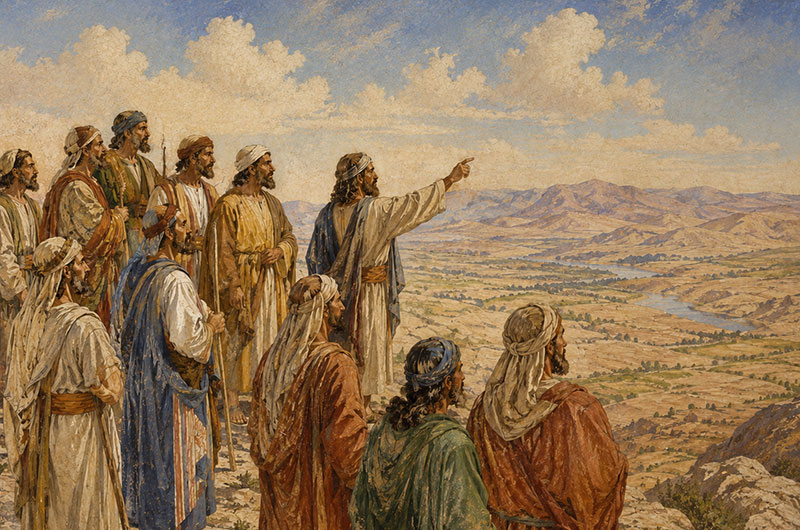
Chazal tell us that a person’s character can be found in his name. If one looks at the names of the spies, one can discern certain innate positive qualities, but one cannot be certain whether the bearer of the name will use those attributes for good or for the bad.

The words are brief, but they open a window into the inner world that shaped everything that followed. The land had not diminished them. The giants had not diminished them. They had diminished themselves.
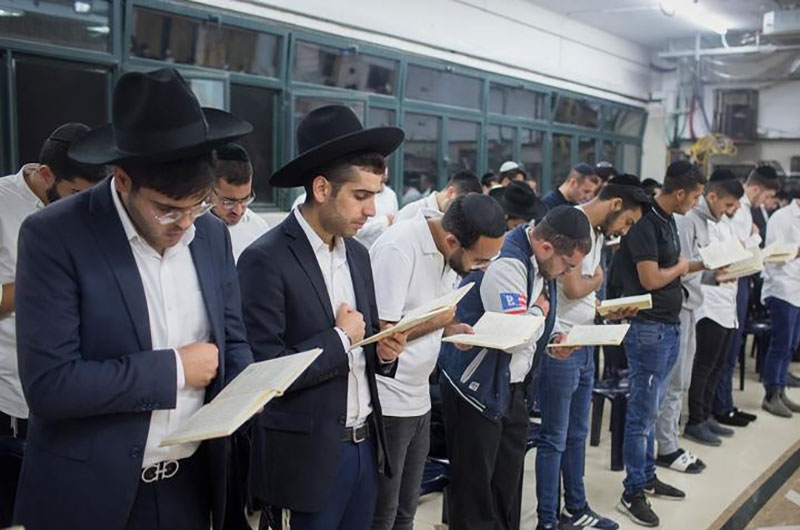
To whom is Hashem to show patience and slowness to anger if not to those who transgress against His commands?
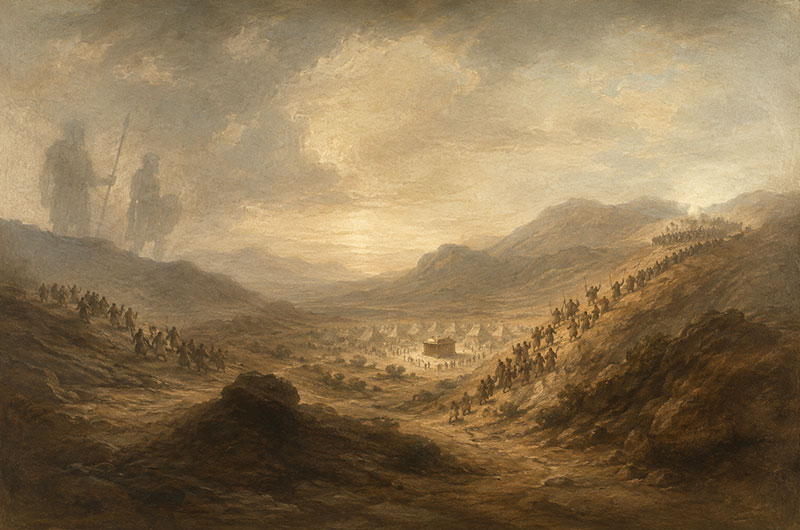
They were determined to reverse the tragedy. The land they had rejected only a day earlier now stood once again at the center of their hopes. Convinced that they could still set things right, they prepared to march forward.

To sum it up, if we don’t want Gehennom, if we want to avoid looking like a fool, if we don’t want to lose our wisdom, if we don’t want to render ourselves senseless, and if we don’t want to give ourselves over to an evil controller, we need to train ourselves that it shouldn’t be easy for us to get angry.
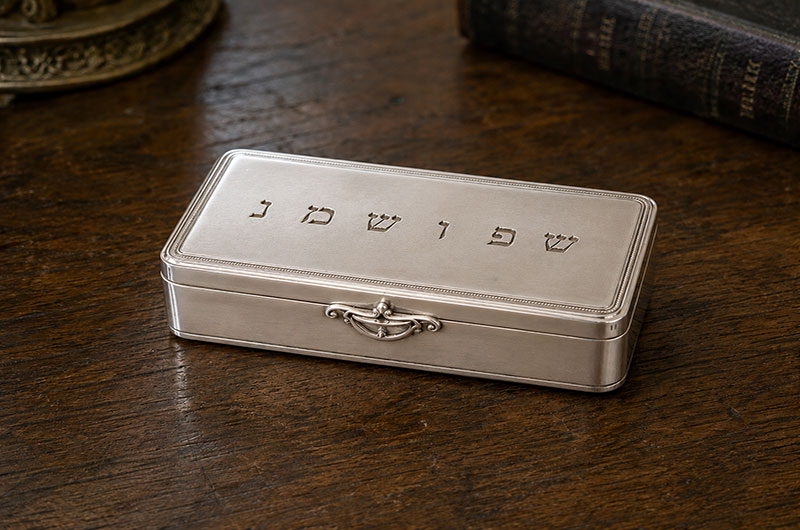
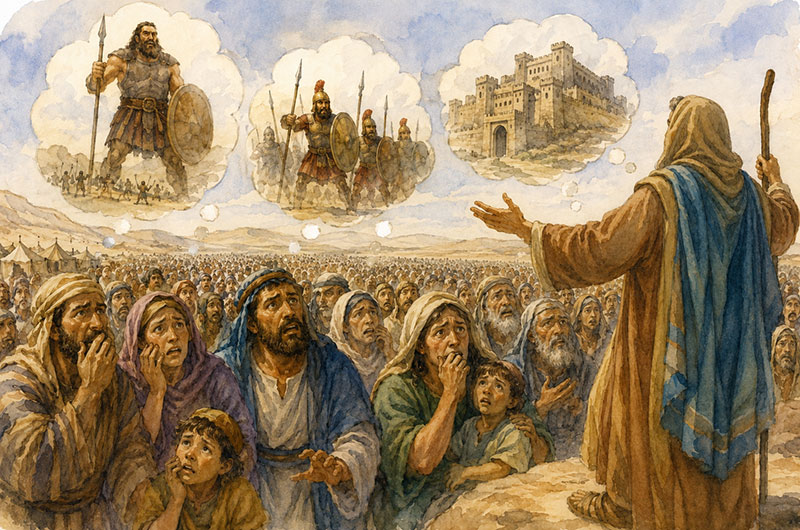
The question still remains: How can we equate slandering Moshe Rabbeinu, the greatest prophet alive, to maligning Eretz Yisrael, an inanimate object? Why would they take a lesson from Miriam’s fate?
The punishment for the sin of the spies was that the two future Batei Mikdash would be destroyed. What does the sin of the spies have to do with the Beit HaMikdash?
And what about the Rosh Chodesh we announce this Shabbat? It is always two days in our fixed calendar because Sivan always has 30 days.

Our Sages ask us to note that most of the time during our journey through the desert, the problem is not an external enemy but our internal state: our unity, our faith, our motivation. When these are absent, it is impossible to keep moving forward.
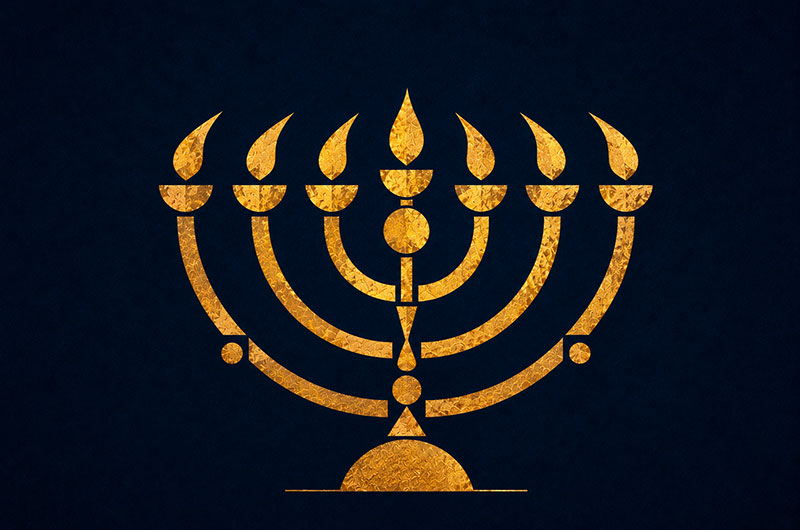
The Menorah teaches that outward illumination is the last step, not the first. That leadership begins with the quiet work of tending your own inner flame.

We are all living through a period of profound uncertainty, both globally and within the Jewish world. On a global level, it often feels as if we are living in the calm before a storm.

In this week’s parsha, we receive the command to raise up its candles, and of course on Shabbat Chanukah we are very involved with the mitzvah of lighting candles.

It is explained that before we received the Torah, we were comparable to animals, so we bring the offering from barley.
f you just stated the details of the korban once, with Nachshon ben Aminadav, and then said that the others brought the exact same korban (without listing the elements), this could arouse jealousy between the tribes.
On Shavuot it is customary to make a new commitment to Torah study. Our Sages explain that Shavuot is considered a “Rosh Hashanah” for the Torah, and that a new year of Torah study is about to begin.

Does Hashem desire that we sever ourselves entirely from the physical world, surviving on as little pleasure and comfort as possible? According to the Rambam, the answer is no. The Torah demands calibration rather than withdrawal.
The Aish Kodesh explains that in this world, a Jew can be identified by virtue of his rootedness in the supernal wisdom, but all the wisdom that reaches his consciousness comes through an extension of the Divine spirit into this material world.
When we follow their advice and pay attention to their criticism, they actually give us life in the World to Come.

When we fulfill the mitzvah of hachnosas orchim it doesn’t make a difference who the guests are. The halacha is to treat them like royalty.
Parshiyot come in two flavors: p’tuchot and s’tumot, open and closed. A parsha p’tucha begins on its own line, with a blank space on the line above from the end of the previous parsha to the end of the line. A parsha s’tuma begins after a blank space on the same line on which the previous parsha ended.

It is not fear of having to account for one’s misdeeds after one dies that should be the motivating factor. It is the love of life that should inspire him, the love that is generated by keeping the daily mitzvos and learning His Torah.

Ruth’s story is not about conversion as a moment. It is about covenant as a life. Her geirus is not described as a ceremony. It is described as a relationship.

Of course, we know without a doubt that Hashem is One and His Name is One – and thus there is no question as to who spoke to Israel from out of the flame (ibid. 4:12) – but there is a question as to the mechanism by which the message was communicated and how it was experienced by all of us at Har Sinai.
Eliezer got up to speak and his shiur was so sublime and uplifting that angels descended from Heaven to listen to the incredible insights that Eliezer expounded.

The obvious question is that our commitment seems to be in the wrong order. Wouldn’t it be more sensible to say Nishmah v’Na’aseh, first saying “Let me hear,” after which I could then responsibly say, “I’ll be able to do it.”

What benefit was there then to all the miracles of Matan Torah, if everything returned shortly to the way it had been?
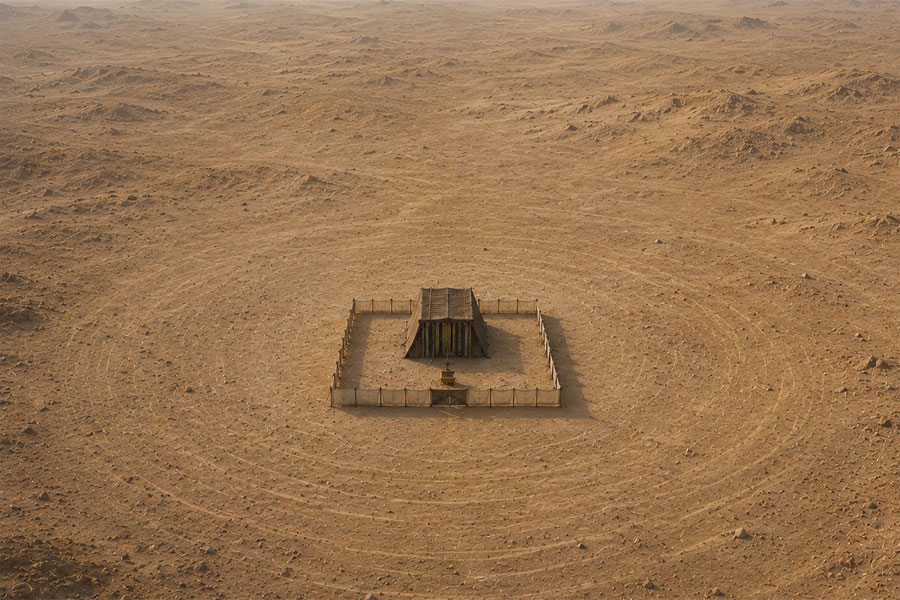
The midbar is often imagined as a place of danger and emptiness. The Torah presents it differently. The wilderness is not chaos. It is unwritten space.

It is this choice that everyone has between faith and cynicism, between optimism and pessimism that the opening words “in the wilderness of Sinai in the Tent of Meeting” address.
If we could teach ourselves to stop feeling as if we’re waiting for our “real life” to begin, but focus, instead, on what is happening here and now, not only will we, with G-d’s help, eventually reach our destination, but we will also benefit from all the gifts that await us along the way.
If the census was a labor of love, the term Beka Lagulgolet seems incongruous. A Beka also means a crack, a rift. How does HaKadosh Baruch Hu count Am Yisrael? By counting how many "cracks in the skull" they had?! It just doesn't seem fitting.

Religious perfection requires transcendence, an encounter with the Ribbono Shel Olam, a presence that does not conform to human categories.
Reb Eliezer tells us that on Pesach and Sukkos it is perfectly all right for one to devote the whole of the Yom Tov to learning Torah. One is excused from the celebration of the chag if he immerses himself in Torah study.

When the Satan intercedes, he is only successful when there is conflict, when everyone is confused and doesn’t know his place.

It is not passivity; it is a form of faith. It is the willingness to maintain the shape of a relationship even when the relationship itself is paused. It is the refusal to force a timeline that is not ours to set.

On Yom Kippur we ask G-d to waive the rights He has over us to exact retribution for our sins. Have we done for others what we are asking Him to do for us on this day?
The way we respond to every wounded soldier, every fallen life, every hostage – that is the real story. These murders were a desecration of human life, but the national response was not apathy. It was sensitivity.
We mistakenly think that Avraham's final test was sacrificing only Yitzchak, but it was not like that at all.

Creativity is natural to the human condition. When we create, we reflect our Creator. That impulse is not marginal; it rises from a deep place within the human spirit.
Even when we are in the darkest places and suffer terrible abuses that no other nation has ever endured, our concern first and foremost is for His Name and His Holy Shechinah, and that He should emerge from the darkness of exile that we precipitated.
One of the great lessons of Shavuos is for us to reaffirm our commitment to being a kind, loving people.

When the Jewish people received the Torah, they had risen to a very elevated level of emunah in Hashem. Hashem revealed Himself and opened the Seven Heavens, and everyone saw that “Hashem is G-d and there is no one but Him.”
The tragedy of the mekallel is not only that he sinned. It is that his outcry came from a place of fracture that the community never addressed. He stands as a cautionary figure, a reminder of what happens when we fail to make room for those who are already inside our gates but do not yet feel fully held.
Why is Shabbat listed as the first mo’ed before the mo’adim of Pesach, Shavuos and Sukkos. which we usually associate with the word chagim (23:3)?
The children in the building hope to learn the laws of Shavuot at home. But this week, they taught me a lesson, too.
To be a student of Rebi Akiva, you had to be extremely gifted and super intelligent. There were other yeshivot, other rabbanim, but none matched Rebi Akiva’s for level of study and for number of students.

Ultimately, the wisdom, might, and wealth of an individual are only aspects reflecting his stature, but not essential to his character; the celebrated aspect may reveal itself in some situations to be superficial and not substantive.
We need to teach our children to honor the shul rabbi. The one who, on a regular basis, warns them about the evils of lashon hara, the dangers of smoking, vaping, gambling, and addictive gaming.
In addition to the opportunity we have of doing teshuvah when we know we have sinned – by acknowledging the transgression, regretting having sinned, admitting that we have sinned, making a commitment not to repeat the sin in the future, prayer and charity – we are fortunate to be able to attain atonement even when we are unaware that we have sinned.
Judaism is not like other religions – there is no turning the other cheek. You are allowed to pursue any legitimate recourse stipulated by the Torah for protection/justice/restitution.

Mussar teaches that character is not an accessory. It is a discipline. It is the daily work of noticing your impulses, your blind spots, your ego, your capacity to harm without meaning to.
Between Holocaust Remembrance Day and Memorial Day, Odelia reminds us that this is not only a private story. It is also a choice about how we tell our shared national story.
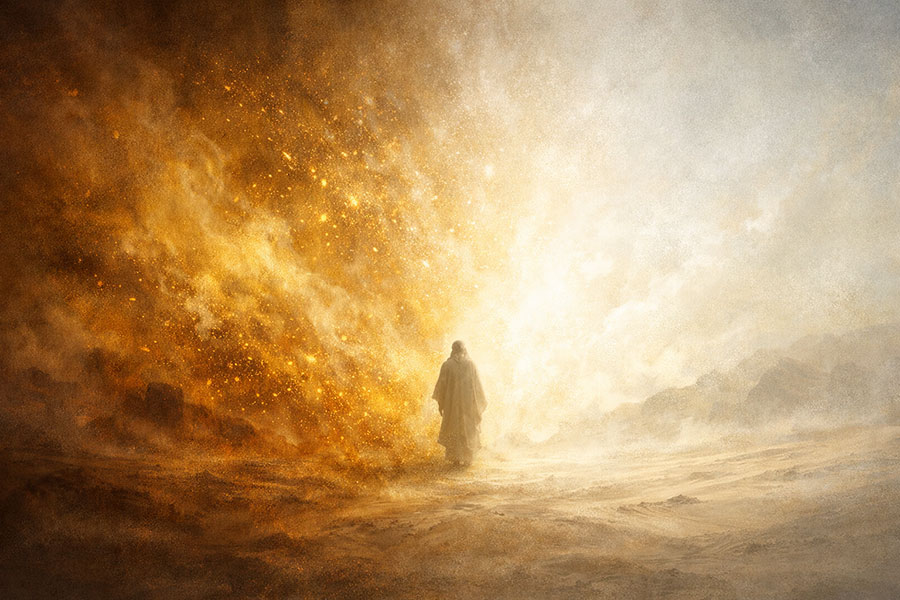
There was another way of explaining why the Jews resorted to worshiping the golden calf so soon after witnessing the presence of G-d at the Revelation. It was not that they had become Bible critics. They were simply giving in to their human urges, even as they believed in G-d and His Torah.

Avodas Hashem is shaped not only by obligation, but also by how we understand the human being, by the moral awareness embedded within us and by the way we see the world and our place within it.
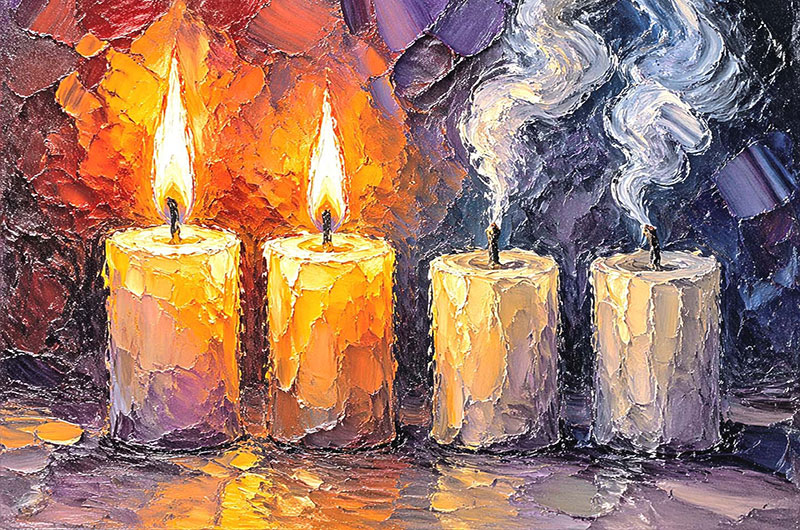
It is interesting to note that all of these ideas really complement one another, and there is a unifying perspective where we can see that Nadav and Avihu did not really “fit” into the mold of their generation and to the needs of the moment.
Shimon HaTzaddik was so called because he was the most righteous person of his generation and yet, in Pirkei Avos, there is but one Mishna recording his teachings.
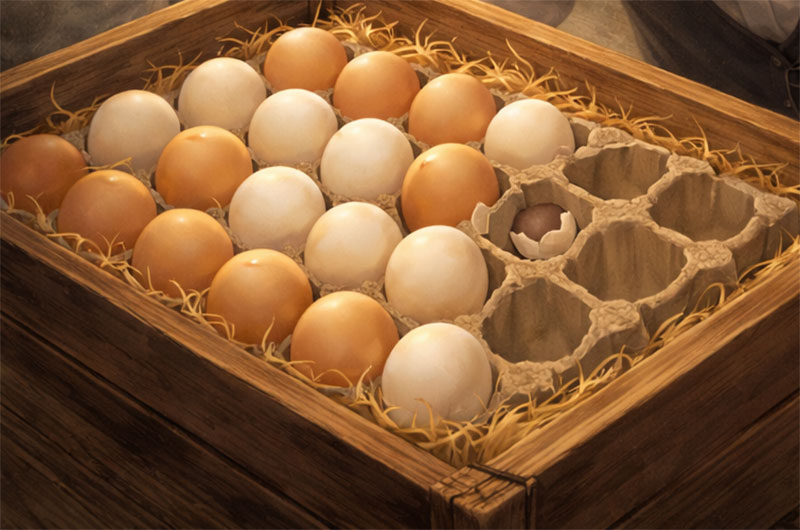
One who foregoes his calculations with others for injustices done to him, the Heavenly Court, in turn, foregoes punishment for all his sins.

In today’s world, so defined and financed by Jew hatred both on the Left and Right, I wonder how many millions or even billions of lives will be lost, by the exclusion of Jews from places like Harvard, Yale or Columbia?
A year ago, we left an empty chair at the Seder table, waiting for the hostages. This was the first Seder after they emerged from darkness into light. Together with them, we have all received another layer in the story of our national freedom.

Now that he had served out his time and would soon be eligible to rejoin the world, why was he not eager to undergo the purification ceremony to be administered by the kohen which would be his ticket back to freedom?
HaKadosh Baruch Hu therefore encompasses both poles (amongst His infinite other attributes) – Activity/Provider (of everything) and also Presence/Nurture/Receiver (He receives our prayers).

While it’s true that in the generation of the Sages, there were very few people who could understand the intricate laws of purity and impurity – let alone live according to them – the Sages were looking ahead and planning for a future era when all of Israel would be engaged in the active fulfillment of the Divine plan for Creation.
Another special advantage of Torah is that It protects us from the advances of the yetzer hara.

In fact, man is not exceptional to all of creation. His superiority exists only in his knowledge and intellect, and his ability to make a choice between bad and good.
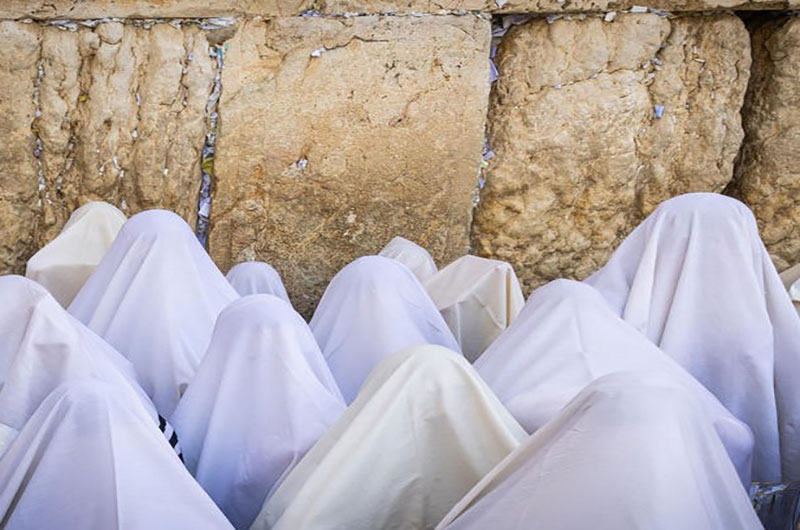
According to each individual’s level of emunah, the blessing increased his ability to become a proper vessel in which the beracha could come to fruition.
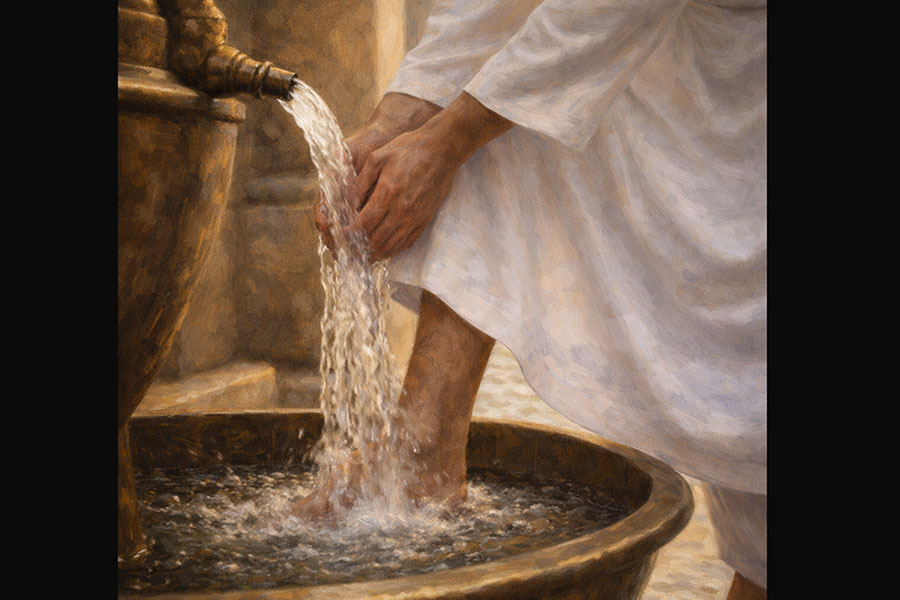
We are not there to reason on behalf of G-d. If G-d promises that something will happen, it will happen. How? That’s not our business. Our business is to fulfill the positive commandment of Kiddush Hashem and G-d will work out the rest as He did with the ram that showed up to save Yitzchak.

This distinction between the needs of the moment and the needs of future generations was paramount in his mind.
Our sages have always urged us to follow the customs of our fathers – those that are acceptable according to the above doctrine.
The choice is ours. When the siren goes off, should we read frightening news updates or a chapter of Tehillim? As we prepare for Pesach, should we communicate a sense of depression and despair, or try our best to create a cheerful atmosphere in our homes?

Like the poor, the kohanim had no possessions of their own. They were entirely dependent for their livelihood on the grace of G-d and the donations of the people.
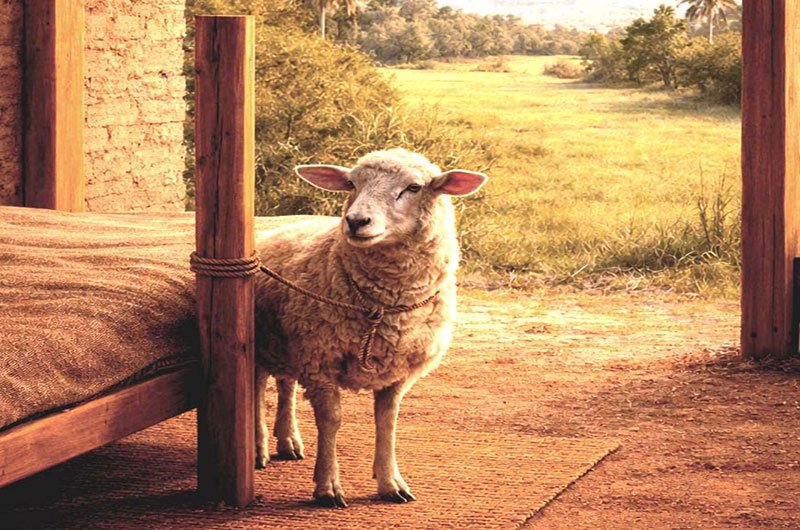
It is commonly understood (from the Gemara and elsewhere) that in the year that Israel went out of Mitzrayim, the process of bringing the Korban Pesach began with the taking of the sheep and tying it to the bedpost on Shabbat.
Another reason why the yetzer hara is firing on all cylinders is that of the entire year, the Seder night is the greatest opportunity we have for teaching our descendants.

Greater is the Kiddush Hashem of that day than all of the chillul Hashem of the Egyptian exile. Not only were the Jewish people redeemed physically; they were also spiritually redeemed.
Originally G-d wanted to transmit the Torah and all of its laws directly to the people. But the people beseeched Moshe to relay G-d’s words to them for if they continued to listen directly to G-d, they feared they would die (Shemos 20:16).

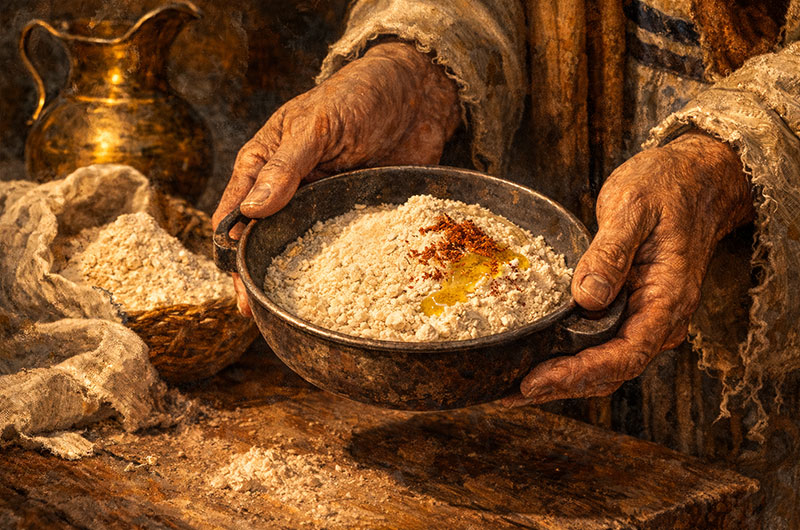
The Mincha is the simplest of all offerings – flour, oil, a measure of frankincense. Ingredients drawn from the rhythm of daily life. Nothing extravagant. Nothing that signals wealth or status. Nothing that would draw attention in the courtyard of the Mishkan.
Yet within the total destruction, a great miracle occurred: their beloved mother had been inside the house and survived. And it happened precisely on the yahrzeit of their father. In the midst of everything, the family felt they had received the greatest gift of all: life.
Why specifically on the second night? Bear in mind that we never say Eishes Chayil on Yom Tov. It’s only on Shabbos, so why the exception?

Although the construction of the physical universe concluded on the first of Tishrei, on the first of Nissan – and particularly on this date in the year following the Exodus – the rectification of mankind begins.
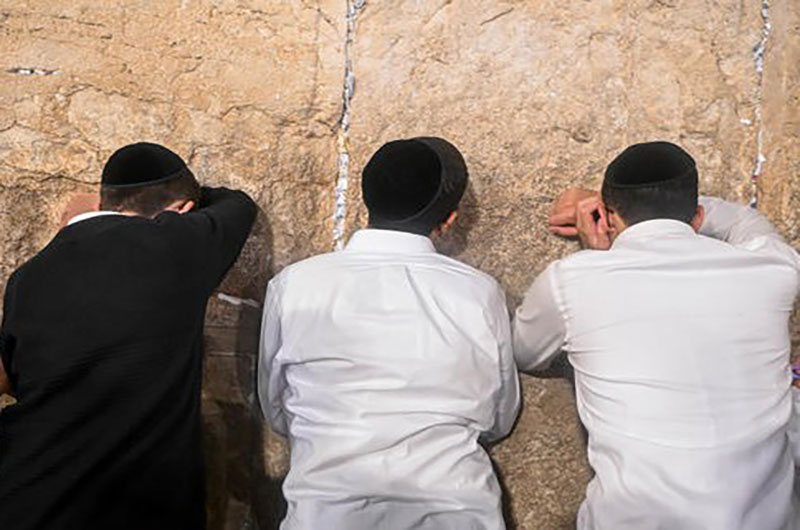
The Sefer HaChinuch cites the Ramban who expounds that the individual must appreciate the fact that the animal being sacrificed is really in place of the sinner. That awareness will inspire and compel the person to do complete teshuvah.
What does it mean then that HaKadosh Baruch Hu placed Adam in Gan Eden "Le'Ovda u'le'Shomra" if that did not involve Korbanot?
The men watched their wives, mothers, sisters and daughters struggling and collapsing under their burdens and it broke their hearts and their spirits. Pharaoh smiled and his people applauded. His plan was working perfectly.

Each of us has his or her personal story about how this concept of an undisturbable day of rest, so counterintuitive to the ideals of the society we live in, has enriched and prolonged our lives.
The test facing the Biton family is unimaginable. Yet many people in the room yesterday nodded in agreement. Each person drew strength for the challenges in his or her own life.

Philo’s discussion of the clothes of the Kohen Gadol is deeply fascinating, but also probably demonstrates some of the basis for Chazal’s decision to ignore his teachings in the Talmud.

The deeper reality is that Israelis tend to experience their identity primarily as members of a nation rather than as members of distinct local congregations.
We should realize that at the Seder we are not just talking to our children. Actually, we are showing them how to make a Seder. We are investing in our grandchildren and generations beyond.
The blessing of an ordinary person should never be considered lightly in your eyes.
Counting can be a potentially dangerous thing. The Gemara (Ta'anit 8b) says that someone who weighs/measures/counts something will never see any blessing from that thing, because blessing only rests on something that is undefined/unseen.

When it comes to selling real estate during war, patience suddenly becomes a national virtue.
Intellectually, of course, I always knew this. But suddenly, that day, I felt it in my heart as well. Fourteen-year-old Matania, with his gentle smile, interpreted reality for me better than any seasoned commentator could.

Being that their acceptance was under duress, the Jews had an escape clause. They could unilaterally revoke the covenant with G-d and abandon their status as the Chosen People at any time.

In the span of a few days, we move from Esther’s quiet courage in the shadows to Moshe holding luchot carved by the hands of Hashem. Two extremes of Divine presence. Two ways a people can tremble. Two ways a heart can break open.

The form of the world we know, like the forms of the letters engraved upon the Luchot, is that which was decreed on High when Hashem decided to create our universe.

Aharon assumed their desire for wealth would quiet their fears. He discovered instead that fear does not yield so easily. When people feel unmoored and uncertain, fear overrides calculation. In that moment, the people did not have the emotional strength to wait.
A person who lives in this world has not been privileged to see everything from the beginning of time. When he observes certain events, he doesn’t understand why one person has various challenges in life, or why one is successful while the other is not.
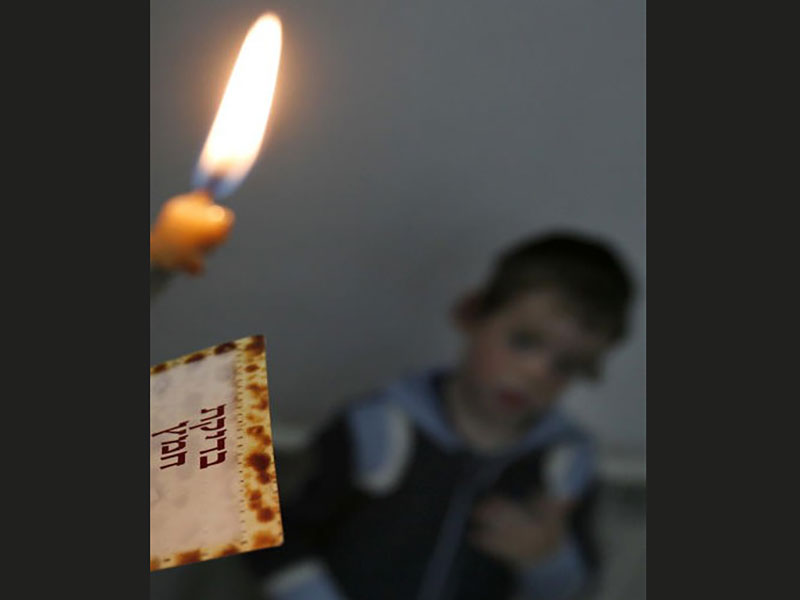
In our Seder right after the Ma Nishtana, we testify to this in the Haggadah, saying that if Hashem hadn’t taken us out, we, our children, and our children’s children, would have been subjugated to an Arabic, slave-like existence.
Instead of expressing gratitude to HaKadosh Baruch Hu for this abundance, the snake, the yetzer hara, preyed upon Noach's generation, who rejected HaKadosh Baruch Hu and became a depraved society worthy only of destruction.

There are weeks when I look toward that light and feel held. There are weeks when I look toward it and feel exposed.