יום חמישי, ג׳ תמוז תשפ״וThursday, June 18, 2026



Follow Us


Sections
E-Edition

Eli smiled sympathetically. Normally, you can’t take challah twice, he said. But I remember learning in kollel a famous Ketzos about someone who separated challah without the owner’s authorization. I don’t know what we rule in practice, though.
A Halachic Referral “It [the Lung] Erupted in Blisters” (Chulin 48a)

“I’m sorry” sometimes simply is not enough. These words echo painfully in my mind whenever I witness tragedy, cruelty, or human insensitivity. They reverberate whenever I see people throw words carelessly at one another, unaware that words themselves can become eternal scars.
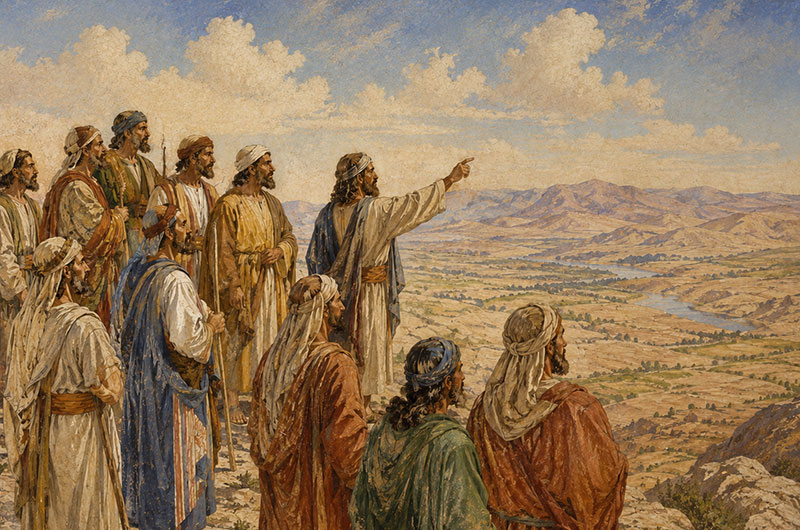
Chazal tell us that a person’s character can be found in his name. If one looks at the names of the spies, one can discern certain innate positive qualities, but one cannot be certain whether the bearer of the name will use those attributes for good or for the bad.
While we hope and pray for continued miracles, we of course have to do all in our power to make miracles unnecessary, and one way is to do a better job explaining to the world which people are interested in genocide and which people are interested in preventing it.

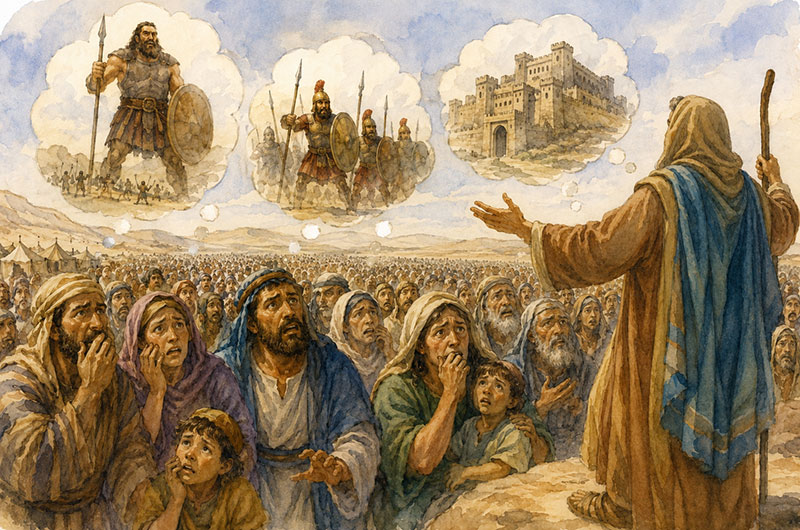
The words are brief, but they open a window into the inner world that shaped everything that followed. The land had not diminished them. The giants had not diminished them. They had diminished themselves.
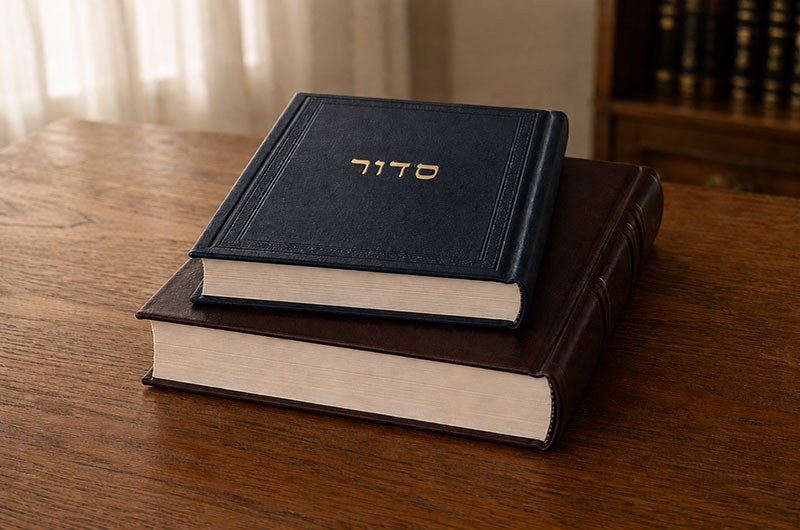
Question: Is it prohibited to place a siddur or some other sefer on top of a Chumash? Menachem Kooper Via email
To whom is Hashem to show patience and slowness to anger if not to those who transgress against His commands?
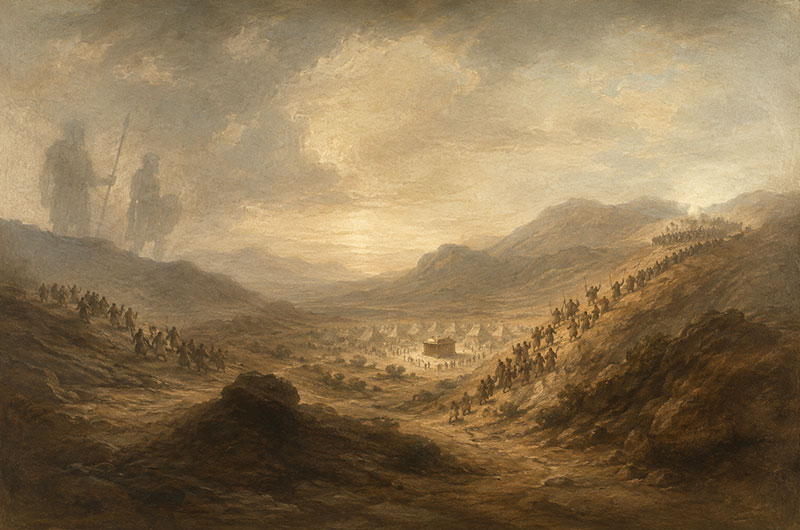
They were determined to reverse the tragedy. The land they had rejected only a day earlier now stood once again at the center of their hopes. Convinced that they could still set things right, they prepared to march forward.

To sum it up, if we don’t want Gehennom, if we want to avoid looking like a fool, if we don’t want to lose our wisdom, if we don’t want to render ourselves senseless, and if we don’t want to give ourselves over to an evil controller, we need to train ourselves that it shouldn’t be easy for us to get angry.
The question still remains: How can we equate slandering Moshe Rabbeinu, the greatest prophet alive, to maligning Eretz Yisrael, an inanimate object? Why would they take a lesson from Miriam’s fate?
The punishment for the sin of the spies was that the two future Batei Mikdash would be destroyed. What does the sin of the spies have to do with the Beit HaMikdash?
And what about the Rosh Chodesh we announce this Shabbat? It is always two days in our fixed calendar because Sivan always has 30 days.

The standard peshat of the words “The wise have their eyes in their head” is that they are introspective and consider the consequences of their choices prior to taking action.

And if we are commanded to have faith (emunah) in Hashem – to believe in something unknowable – how can we also be commanded to know Hashem?
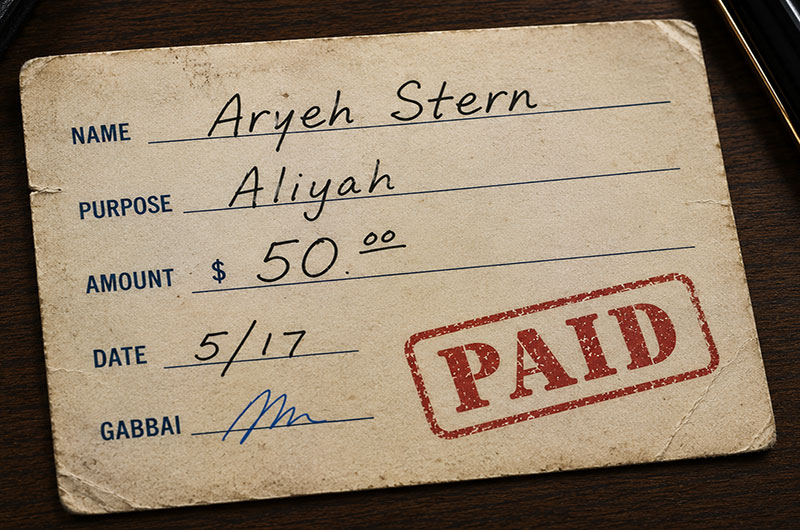
When you owe money to someone, and a third party pays the creditor of his own initiative, you are thereby relieved of your obligation to pay, replied Rabbi Dayan.
Incubator Chicks: The Dispute “These Are the Living Things Which You May Eat” (Chulin 42a)
That life gave them all the time in the world to study the Torah free from the worries of a livelihood. Now, however, they were about to enter the real world, where the physical and spiritual juggle and compete for space.

Our Sages ask us to note that most of the time during our journey through the desert, the problem is not an external enemy but our internal state: our unity, our faith, our motivation. When these are absent, it is impossible to keep moving forward.

I wonder how many stood there, opening up their hearts and souls. How many knew that this would be their final prayer and yet they called out to Avinu Shebashamayim, ‘bring us home to Yerushalayim!’
Question: Is it prohibited to place a siddur or some other sefer on top of a Chumash? Menachem Kooper Via email
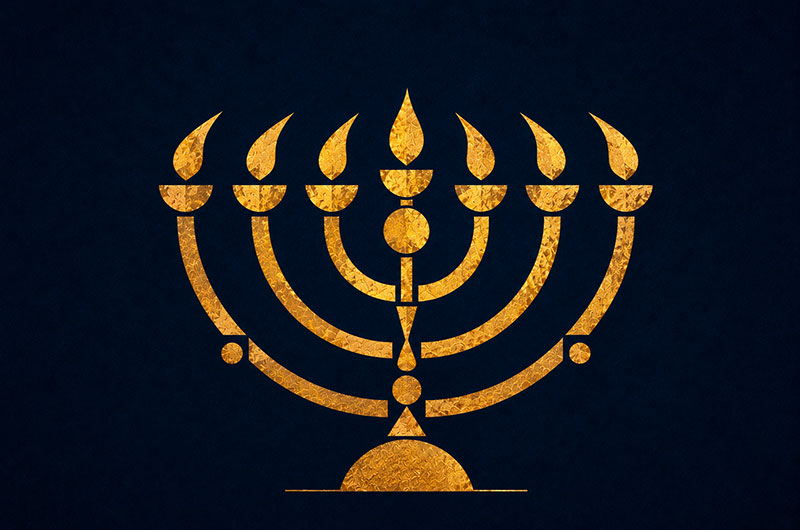
The Menorah teaches that outward illumination is the last step, not the first. That leadership begins with the quiet work of tending your own inner flame.

We are all living through a period of profound uncertainty, both globally and within the Jewish world. On a global level, it often feels as if we are living in the calm before a storm.

In this week’s parsha, we receive the command to raise up its candles, and of course on Shabbat Chanukah we are very involved with the mitzvah of lighting candles.
The study of Pirkei Avos contains lesson after lesson on how we can improve our daily behavior.

It is explained that before we received the Torah, we were comparable to animals, so we bring the offering from barley.

Let me make it clear that G-d does not get angry, nor does He have any other human emotion. However, the Torah speaks in language we can relate to. The Torah anthropomorphizes G-d so that we can understand things better.
When a circle is merely cyclical, detached from growth, it represents spiritual death. This is the circle of routine, of habit, of endless repetition with no forward progress.

A person who constantly succumbs to his needs and urges without any intellectual thought or consideration is no better than an animal.
There isn’t an educator in any of our schools who isn’t a hero. Teaching is the most valuable and integral profession we have, despite the fact that teachers are often underpaid and underappreciated.
When complaints become constant, there is usually something deeper taking place. The words people use are not always the whole story. Sometimes the frustration we hear is only the outer layer of a more painful sense of loss.

Does buying jewelry now count for the mitzvah of simchas Yom Tov?
The Jew as a Gentile’s “Kashrus Certificate” “We Do Not Give Innards to a Gentile” (Chullin 33a)
f you just stated the details of the korban once, with Nachshon ben Aminadav, and then said that the others brought the exact same korban (without listing the elements), this could arouse jealousy between the tribes.
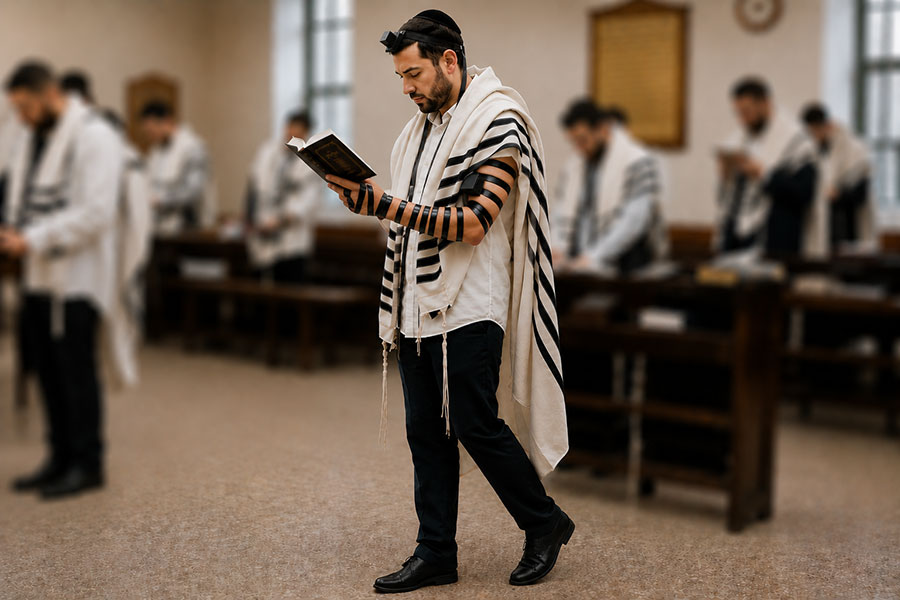
Question: Why do we take three steps back at the conclusion of the Amidah, and yet the chazzan is not required to do so when he concludes the Repetition of the Amidah – Chazarat HaShatz? Sam (Shnayur) Weiss Via email

It begins with counting. Order. Structure. Arrangement. But almost immediately the parsha shifts into the unpredictable terrain of human emotion.
On Shavuot it is customary to make a new commitment to Torah study. Our Sages explain that Shavuot is considered a “Rosh Hashanah” for the Torah, and that a new year of Torah study is about to begin.
At that moment, surrounded by song and holiness, Israel no longer felt like merely a country. It felt like destiny fulfilled.

Does Hashem desire that we sever ourselves entirely from the physical world, surviving on as little pleasure and comfort as possible? According to the Rambam, the answer is no. The Torah demands calibration rather than withdrawal.
The Aish Kodesh explains that in this world, a Jew can be identified by virtue of his rootedness in the supernal wisdom, but all the wisdom that reaches his consciousness comes through an extension of the Divine spirit into this material world.
When we follow their advice and pay attention to their criticism, they actually give us life in the World to Come.

When we fulfill the mitzvah of hachnosas orchim it doesn’t make a difference who the guests are. The halacha is to treat them like royalty.
Parshiyot come in two flavors: p’tuchot and s’tumot, open and closed. A parsha p’tucha begins on its own line, with a blank space on the line above from the end of the previous parsha to the end of the line. A parsha s’tuma begins after a blank space on the same line on which the previous parsha ended.
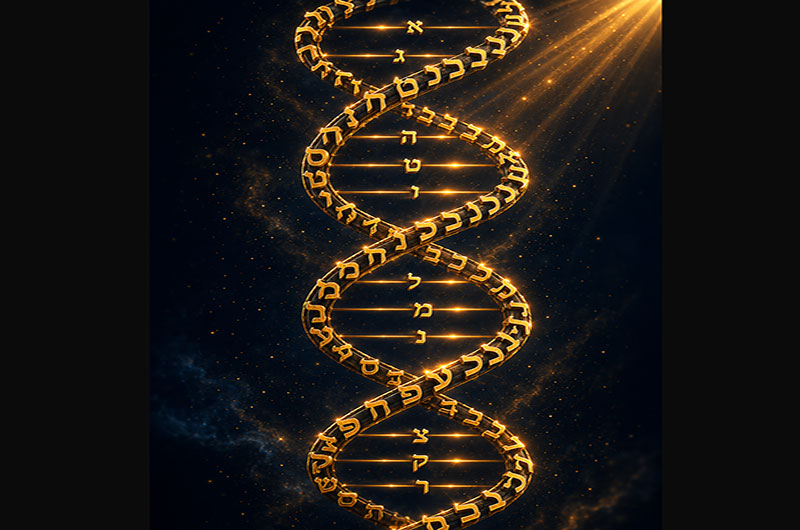
Time does not move along a continuous, straight line; it circles around in a repeating yearly cycle. As the Ramchal explains, Hashem created thematic cycles of time, and each point in the year contains unique spiritual energy.
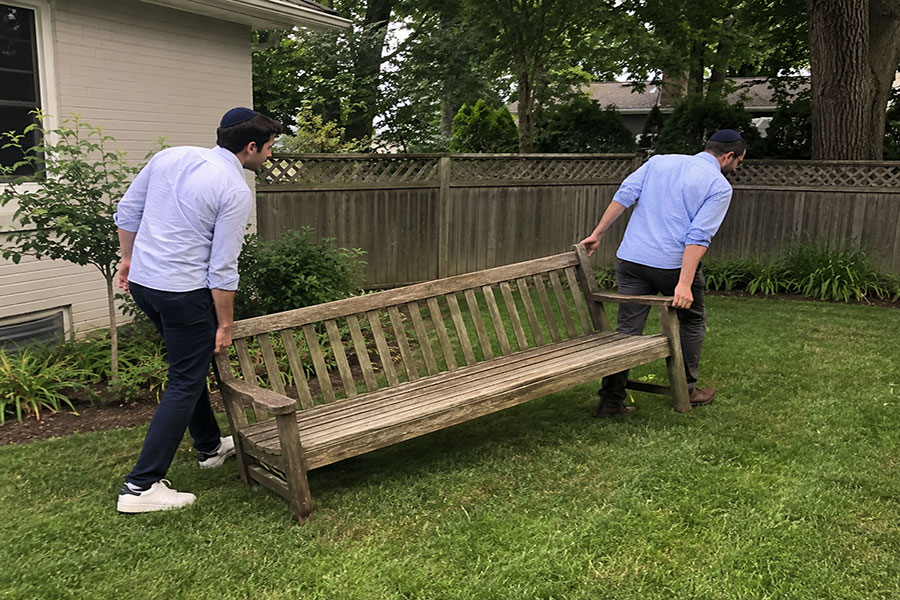
The ability to collaborate, connect, and negotiate between the built-in masculine and feminine traits and perspectives is what allows creation to occur, literally and figuratively.

If a father embarrasses his son in shul because the latter was talking during davening, he may get his son to stop talking in the moment, but in the long term he has not taught him anything about kavod ha’tefillah

From a philosophical perspective, many Jewish thinkers have focused on the unique role of speech as a defining element of humanity. Speech, at least in its fully realized form, distinguishes Man from the animal; for humans, speech expresses thought, making this distinction especially profound.

It is not fear of having to account for one’s misdeeds after one dies that should be the motivating factor. It is the love of life that should inspire him, the love that is generated by keeping the daily mitzvos and learning His Torah.
The Siren’s Wail “If a Festival Falls on the Eve of the Sabbath…” (Chullin 26)
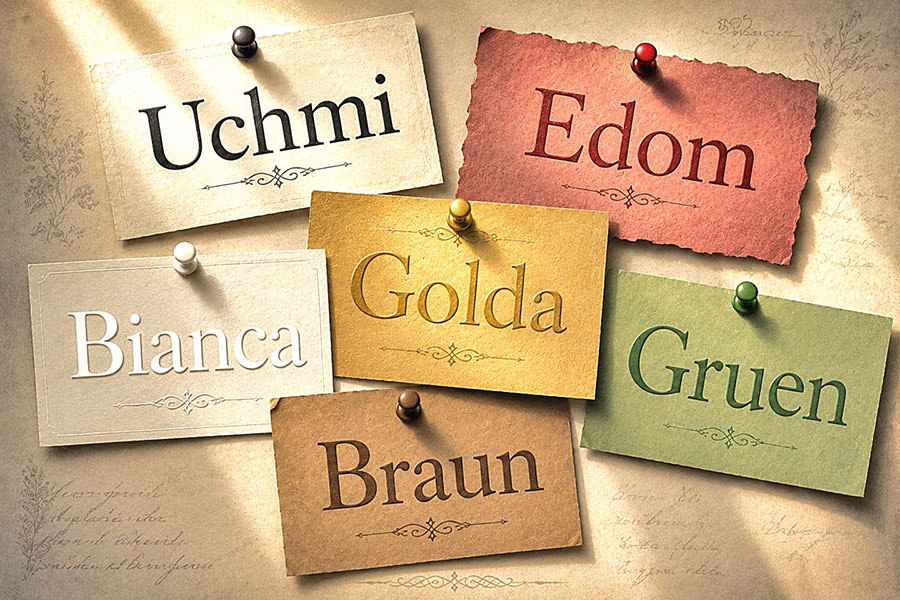
Laban wasn’t the only person in history whose given name means “white.” In fact, names meaning “white” or “bright” have a storied history, particularly in European nobility.
How do we present our leaders? Do we portray them as flawless beings, untouched by error, existing on a plane so elevated that they bear little resemblance to the people we are raising? Or do we present them as the Torah itself does: as extraordinary individuals who nevertheless grappled with very human struggles?

An inheritance is yours by default. It comes whether you asked for it or not. A heritage becomes valuable only when you claim it.

You are in the middle of work, replied Rabbi Spitz. I assume that Rabbi Dayan also taught you the importance of having a good work ethic and not wasting time as an employee.
The Torah begins with the most universal and global message: G-d created the world. But it ends with the most Jewish, national, and personal story: that same G-d, who gave King Cyrus dominion over all the kingdoms of the world, wants one House in Jerusalem, and wants us, with G-d’s help, to go up there.

Ruth’s story is not about conversion as a moment. It is about covenant as a life. Her geirus is not described as a ceremony. It is described as a relationship.

Of course, we know without a doubt that Hashem is One and His Name is One – and thus there is no question as to who spoke to Israel from out of the flame (ibid. 4:12) – but there is a question as to the mechanism by which the message was communicated and how it was experienced by all of us at Har Sinai.
Eliezer got up to speak and his shiur was so sublime and uplifting that angels descended from Heaven to listen to the incredible insights that Eliezer expounded.
Question: was Ruth converted before a beth din? Did she formally convert before she married Mahlon, or did she convert only before her marriage to Boaz? In general, what is the earliest reference to a formal conversion process? Lazar Rozenblat Brooklyn, N.Y.

The obvious question is that our commitment seems to be in the wrong order. Wouldn’t it be more sensible to say Nishmah v’Na’aseh, first saying “Let me hear,” after which I could then responsibly say, “I’ll be able to do it.”

What benefit was there then to all the miracles of Matan Torah, if everything returned shortly to the way it had been?
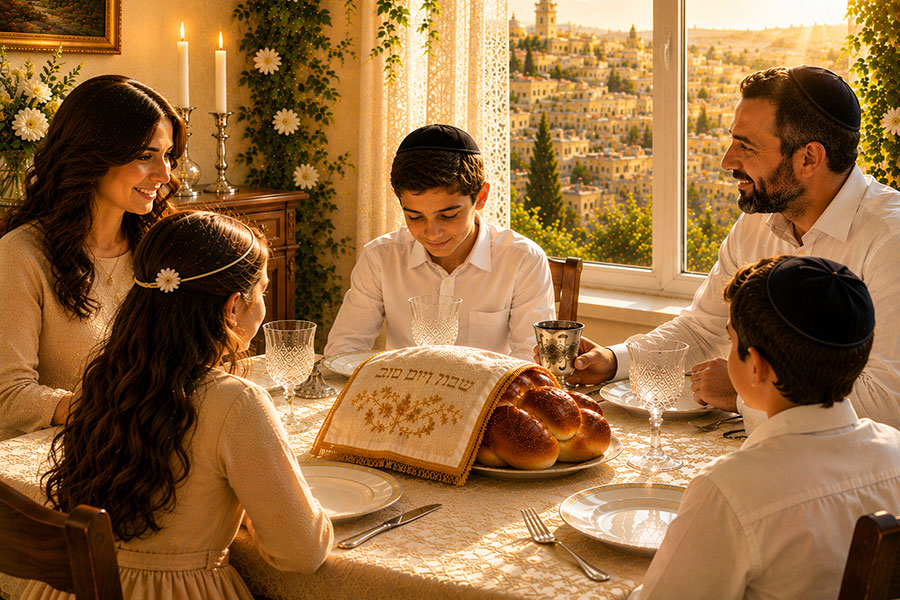
It is surprising, then, that this practice is so entrenched, especially since it has no basis in Chazal or the Rishonim. … In the late 16th century, however, two Eastern European authorities record a tradition not to recite Kiddush on the first night of Shavuot until nightfall.

Slaughtering with shechita represents an orderly process; while it is still death, it is via the approved process and represents the appropriate connection to G-d and transition from this world to the next through death.

Once we understand the concept of time, and the distinct opportunity and importance of tapping into the unique theme of each point of time in the systematic process of ascension, we must delve into the specific theme that Shavuos presents.

In the daily grind, we often forget about the thunder and lightning and the excitement of Torah. It becomes just another part of our day, and we forget that its message is eternal and all-encompassing.
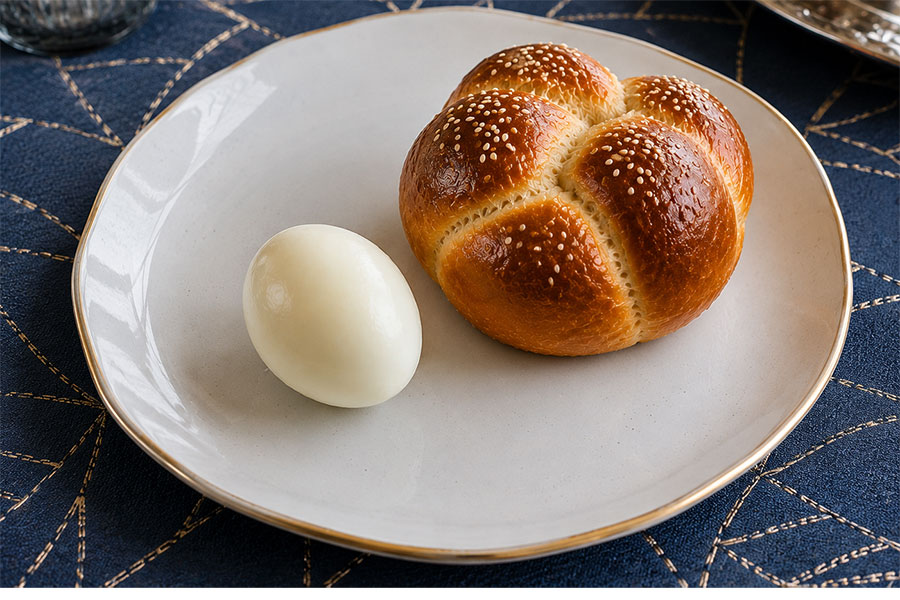
The point is that an Eiruv (any of the three kinds) cannot and does not permit something that is forbidden by Torah Law. It redefines a situation so that which was technically forbidden turns out not to be forbidden.

By Adina Broder
People may have varied religious practices, ideologies, or political views. They may come from different backgrounds, affiliations and persuasions. But this doesn’t mean that there needs to be strife between us.

If someone sold defective merchandise and was aware that the customer intended to take it elsewhere, the seller is liable for the return expenses.
Meat from Heaven? “Only Young Ones Are Acceptable…” (Chullin 22a-b)
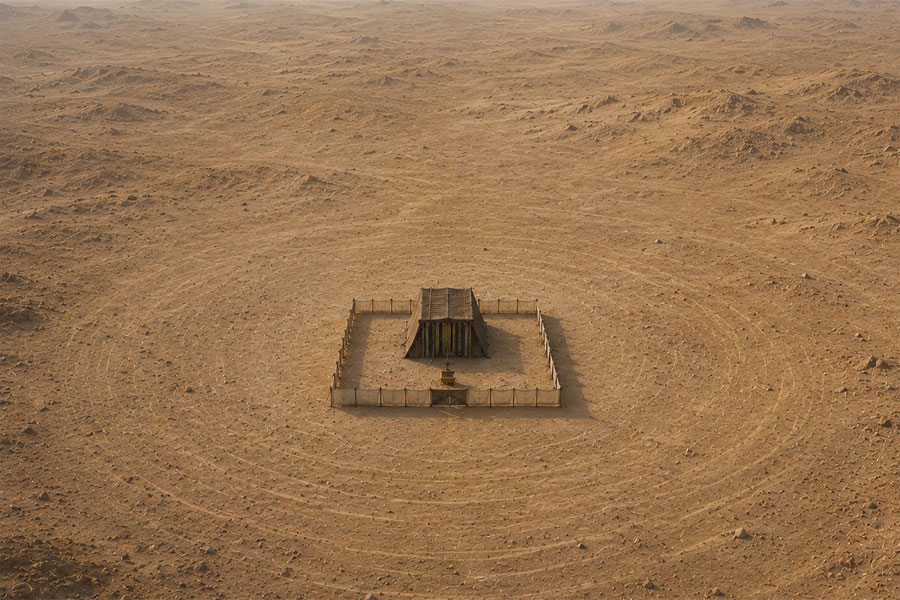
The midbar is often imagined as a place of danger and emptiness. The Torah presents it differently. The wilderness is not chaos. It is unwritten space.

It is this choice that everyone has between faith and cynicism, between optimism and pessimism that the opening words “in the wilderness of Sinai in the Tent of Meeting” address.
If we could teach ourselves to stop feeling as if we’re waiting for our “real life” to begin, but focus, instead, on what is happening here and now, not only will we, with G-d’s help, eventually reach our destination, but we will also benefit from all the gifts that await us along the way.
Question: Many people are accustomed to staying awake on Shavuot night and learn Torah. Is this recommended even at the expense of proper kavana during tefillah the next morning? Would it not be far better to get a good night’s rest and then learn with more fervor the next day? No name please Via e-mail
If the census was a labor of love, the term Beka Lagulgolet seems incongruous. A Beka also means a crack, a rift. How does HaKadosh Baruch Hu count Am Yisrael? By counting how many "cracks in the skull" they had?! It just doesn't seem fitting.

Religious perfection requires transcendence, an encounter with the Ribbono Shel Olam, a presence that does not conform to human categories.
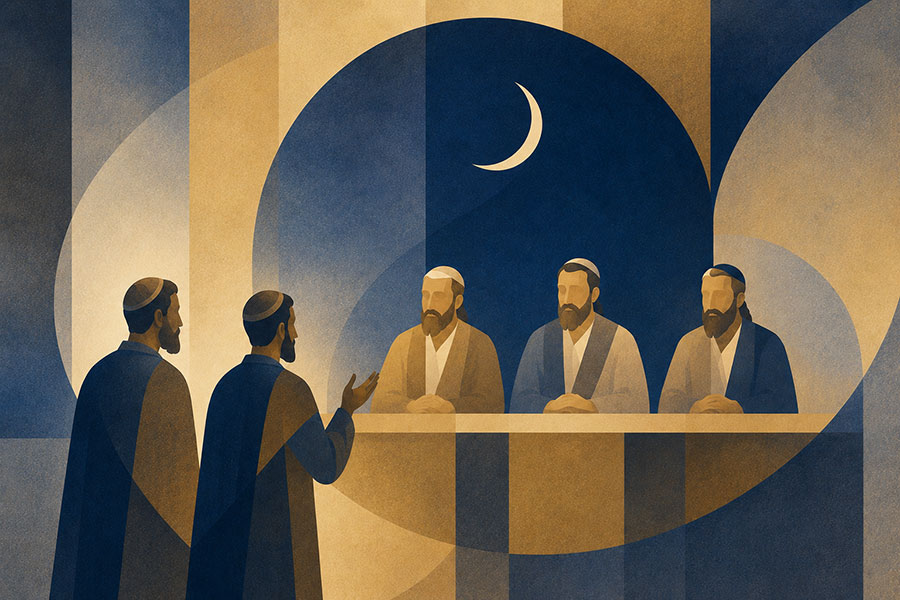
Although as a festival, Rosh Chodesh is not dressed in much external pomp and circumstance, it determines the timing of all the other festivals in our calendar and thus enables our annual spiritual and ritual rhythm.

The mitzvot are acts that we perform to refine ourselves and achieve our own potential, while the true object of our mental striving is to understand the acts that He performs and in what ways His greatness is made manifest.
Reb Eliezer tells us that on Pesach and Sukkos it is perfectly all right for one to devote the whole of the Yom Tov to learning Torah. One is excused from the celebration of the chag if he immerses himself in Torah study.

When the Satan intercedes, he is only successful when there is conflict, when everyone is confused and doesn’t know his place.
To put our calendar into perspective: We, the People of Israel, left Egypt on Pesach. We miraculously crossed the sea on the last day of Pesach. We arrived at Har Sinai on Rosh Chodesh Sivan. Before we even got there, we were blessed with miraculous a water supply, food from Heaven, and a military victory (not complete) against Amalek.

Hashem not only willed the world into existence at one point in the past, but continues to do so every instant.

Just because it is a clever derush, does it really make sense that one should merit something as grand as being revived from the dead for eating this final meal?
Is living in a confined area always a bad thing? Is living a metaphorically confined existence always restricting?
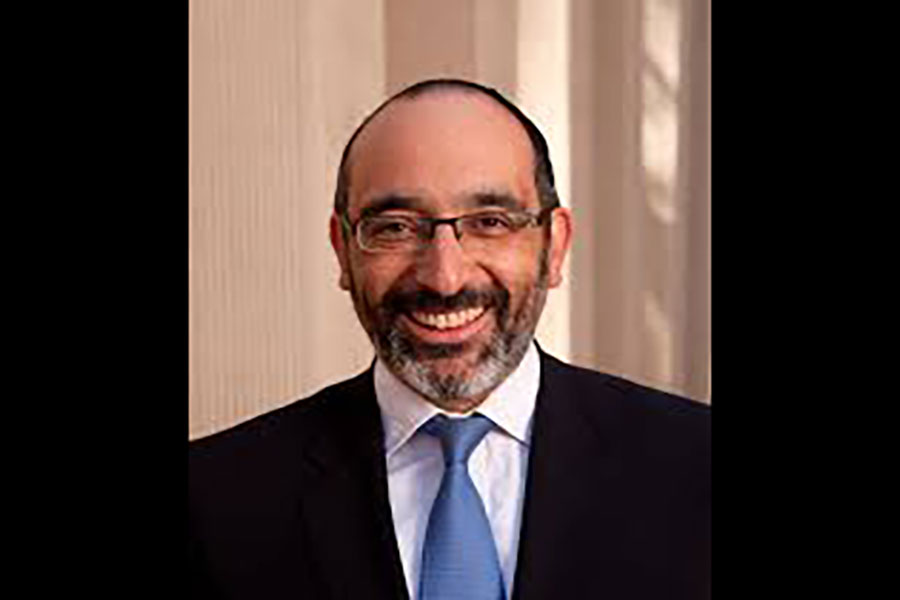
At a time of rising antisemitism and deep polarisation, Rabbi Goldstein, who serves as the Chief Rabbi of South Africa, believes the proclamation offers a rare opportunity for national unity: "Shabbat is above politics. Whatever our differences, whatever our background, whatever our level of observance, Shabbat belongs to all of us."
Rava permits the borrower to offer money to a third party to secure him a loan. Although the borrower pays, the lender does not benefit from him; the third party just receives his broker’s fee (Y.D. 160:16).
Aiding or Abetting? “However,…Due to Suspicion, We Check…” (Chulin 12a, Rashi)
If our chosenness is not rooted in our righteousness, then what is expected of us? Are we merely beneficiaries of a legacy, or are we meant to rise to meet it?

It is not passivity; it is a form of faith. It is the willingness to maintain the shape of a relationship even when the relationship itself is paused. It is the refusal to force a timeline that is not ours to set.

On Yom Kippur we ask G-d to waive the rights He has over us to exact retribution for our sins. Have we done for others what we are asking Him to do for us on this day?
The way we respond to every wounded soldier, every fallen life, every hostage – that is the real story. These murders were a desecration of human life, but the national response was not apathy. It was sensitivity.
Question:Is there a specific reason that the last chapter of Pirkei Avot is read on the Sabbath before Shavuot, or is this just a quirk of the calendar? Zvi Kirschner Via Email
We mistakenly think that Avraham's final test was sacrificing only Yitzchak, but it was not like that at all.
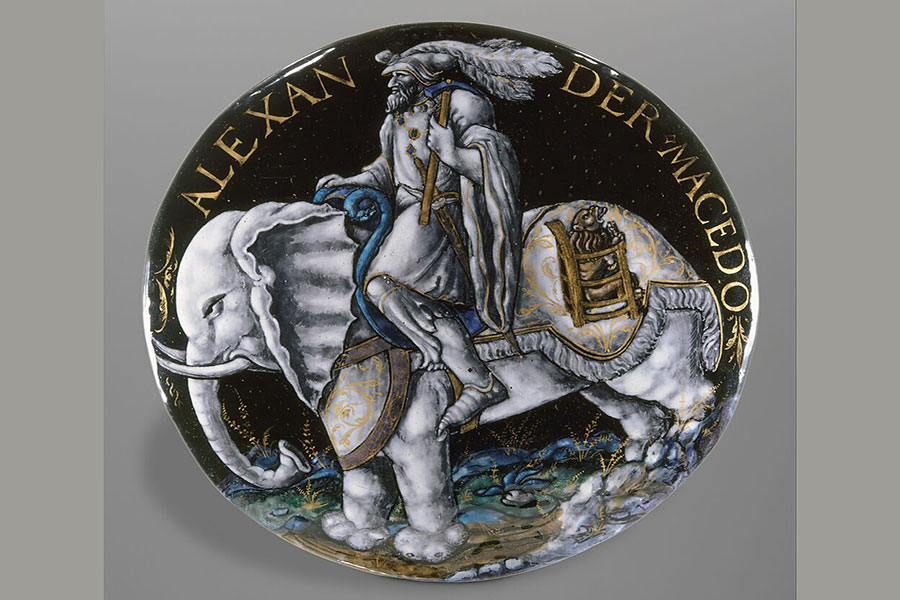
The whole topic of premonitions took on added twists and turns with the most recent Trump near assassination.

Creativity is natural to the human condition. When we create, we reflect our Creator. That impulse is not marginal; it rises from a deep place within the human spirit.
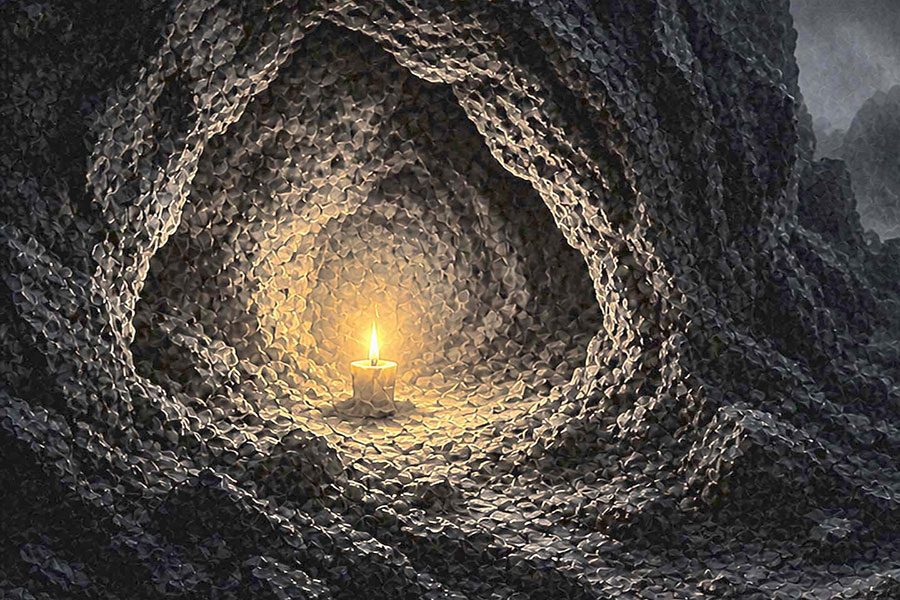
Even when we are in the darkest places and suffer terrible abuses that no other nation has ever endured, our concern first and foremost is for His Name and His Holy Shechinah, and that He should emerge from the darkness of exile that we precipitated.
One of the great lessons of Shavuos is for us to reaffirm our commitment to being a kind, loving people.